 BM News Feed
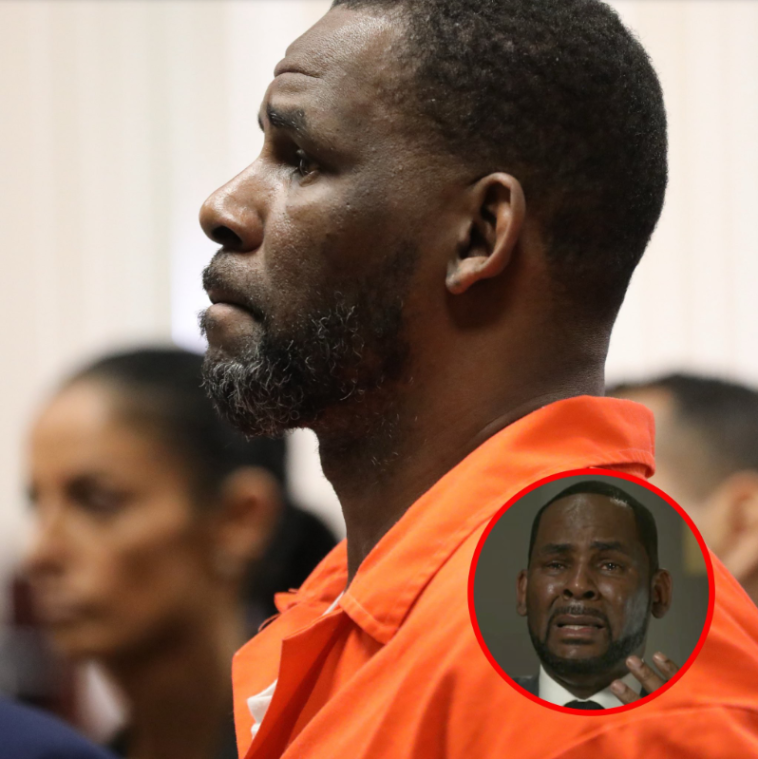
R. Kelly has recently shared a series of serious concerns from within the prison system, expressing that he feels deeply unsafe and fears for his well-being. He claims that circumstances behind bars have become increasingly unsettling, leading him to believe that remaining in his current environment may place him at significant personal risk. These statements have quickly gained public attention, raising questions about what may truly be happening and why he has chosen to speak out now.
According to Kelly, he believes that certain individuals working within the federal system may be acting in ways that compromise his security. He alleges that officials approached another incarcerated person—someone facing a terminal illness—with a shocking proposal. As described in his account, this individual was supposedly encouraged to harm him in exchange for leniency. Kelly also claims that the situation would have been concealed had it taken place. Though these claims remain unverified, they have sparked widespread discussion due to their severity.
Kelly explains that this situation is the primary reason he is now requesting to be placed under home detention. He argues that such an arrangement would allow him to remain monitored and compliant while also ensuring that he is not exposed to situations that he perceives as dangerous. His legal team is expected to highlight these concerns in upcoming filings, presenting them as evidence that his current environment is not conducive to his safety or rehabilitation.
The public reaction has been sharply divided. On one side, some individuals question the credibility of the claims, wondering whether they may be an attempt to influence his legal circumstances or present grounds for a more favorable living arrangement. They point out that claims made from behind bars can sometimes be motivated by desperation or stress, especially when someone is facing long-term consequences.
On the other side, some people argue that even unexpected or alarming allegations should not be dismissed without careful consideration. They note that correctional facilities are complex environments with many moving parts, and that transparency and oversight are essential. From this perspective, any expression of fear or potential risk—regardless of the source—deserves to be evaluated thoroughly to ensure that proper protections are in place.
What makes this situation especially intense is how little is publicly known. Kelly’s allegations paint a concerning picture, yet no official statements have been made confirming or denying the details. This uncertainty has stirred conversations about inmate safety, accountability within institutions, and the importance of protecting every individual in custody, regardless of their background or legal history.
As more people become aware of these claims, the overall atmosphere surrounding the situation has grown more complicated. Whether the allegations are accurate or not, they raise important questions about how safety concerns should be handled and how seriously reports from incarcerated individuals should be taken. What’s clear is that this story continues to evolve, and many are watching to see what—or if—additional information will surface.