 BM News Feed
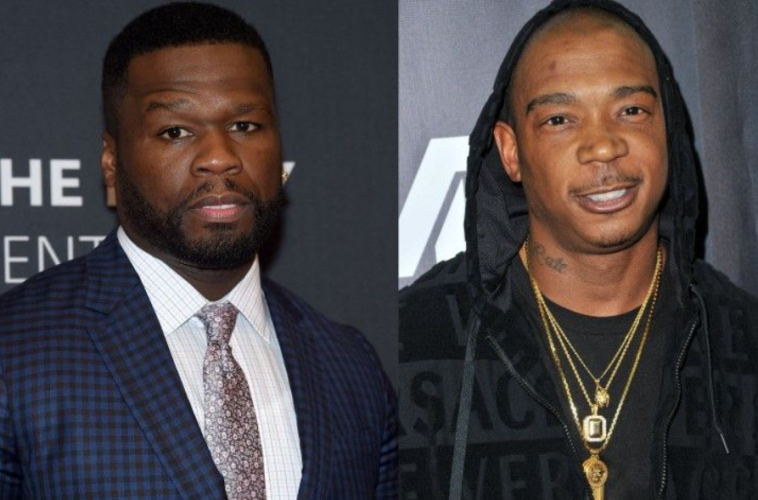
Online conversations intensified after 50 Cent released his Netflix docuseries related to Sean “Diddy” Combs, sparking reactions from several figures in the hip-hop community. One of the most talked-about responses came from Ja Rule, who took to social media to share his thoughts on 50 Cent and the project, quickly drawing widespread attention.
In his post, Ja Rule criticized 50 Cent’s actions and questioned his credibility within the culture. He suggested that he had long held negative opinions about 50 Cent’s methods and motives, expressing frustration over what he described as opportunistic behavior. Ja Rule framed his comments as a reflection of longstanding tensions rather than a sudden reaction.
Ja Rule also implied that professional titles and success do not automatically erase past controversies. He emphasized that, in his view, image and branding can sometimes be used to reshape public perception, even when underlying disagreements remain unresolved. His comments reflected deeper industry rivalries that have existed for years.
Additionally, Ja Rule mentioned a previous incident involving concert tickets, suggesting that public gestures do not necessarily equate to influence or control. He made it clear that he felt independent in his success and choices, stating that financial gain and personal accomplishment mattered more to him than symbolic displays of power.
Not long after the post circulated online, 50 Cent responded directly, keeping his reply brief but pointed. He dismissed Ja Rule’s criticism as empty talk and suggested that words alone carry little weight without action. His response maintained his familiar tone, mixing confidence with humor while signaling that he was unbothered by the remarks.
50 Cent also hinted that he still had information and material that could further shape public opinion. While he did not provide specifics, the comment added fuel to an already heated exchange, reigniting a rivalry that has resurfaced many times over the years. His reply suggested that the conversation was far from over.
Fans quickly took sides, revisiting the long history between the two artists. Social media platforms filled with debates, memes, and commentary, with some viewers enjoying the ongoing back-and-forth and others calling for a more mature approach. Many noted that their rivalry has become a recurring storyline within hip-hop culture.
Industry observers pointed out that public exchanges like this often reflect deeper issues related to competition, legacy, and reputation. In a genre where authenticity and respect are highly valued, disagreements tend to play out publicly, especially when amplified by social media and streaming platforms.
As reactions continue to spread, the situation serves as another reminder of how quickly online statements can escalate. While opinions remain divided, the exchange highlights the lasting impact of unresolved rivalries and the powerful role public platforms play in shaping narratives.
For now, both artists have made their positions clear, and fans remain watchful to see whether the exchange develops further or fades with time. Regardless of outcome, the moment underscores how history, competition, and personality continue to intersect within hip-hop’s evolving landscape.