
 BM News Feed
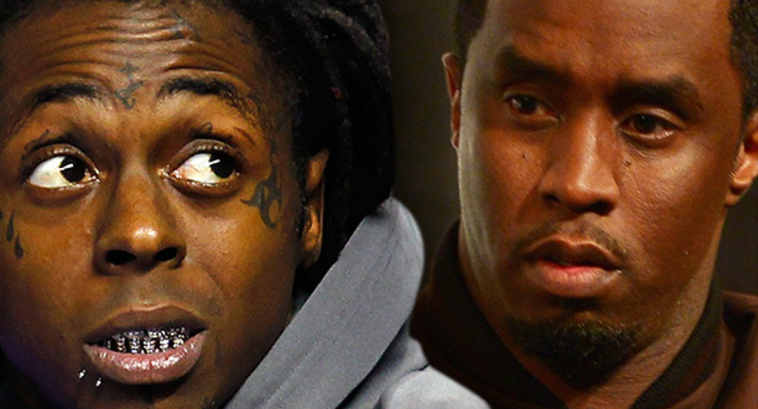
Lil Wayne has become the latest high-profile figure to spark conversation following the release of 50 Cent’s newly released Netflix docuseries. After watching the series, the legendary rapper took to social media to share a personal story that, according to him, left a lasting impact and influenced how he chose to move within the industry.
In his post, Lil Wayne acknowledged that he has long viewed certain behavior he encountered in the music business as unsettling, but admitted that fear and timing kept him silent for years. He explained that during the height of his career, when his influence and earnings were at their peak, speaking out felt risky. According to Wayne, power dynamics within the industry made it difficult to challenge or confront people who held significant influence.
Wayne recalled a specific incident from around 2008, shortly after the release of his massively successful single “Lollipop.” At the time, the song dominated airwaves and marked one of the most defining moments of his career. Wayne stated that he received a phone call from Diddy, who initially congratulated him on his success and the impact of the record.
However, Wayne claimed the conversation took an unexpected and uncomfortable turn. According to his account, remarks were made that he interpreted as inappropriate and crossing personal boundaries. Wayne said he was caught off guard and immediately felt uncomfortable by the direction of the conversation.
He stated that he made it clear he was not interested and found the remarks unacceptable. Wayne said he ended the call shortly afterward and made a personal decision to distance himself moving forward. According to him, that moment reinforced his instinct to avoid situations or individuals that made him feel uneasy, regardless of status or influence.
Wayne also reflected on why he chose not to speak publicly about the experience at the time. He explained that during that period of his career, maintaining momentum and protecting his livelihood felt critical. Speaking out, he suggested, could have placed his success at risk in an industry where power can shape opportunities.
His comments have fueled widespread discussion online, with many viewers connecting his story to broader themes explored in the docuseries—namely, how power, silence, and fear can coexist within entertainment spaces. Supporters argue that Wayne’s willingness to speak now highlights the emotional weight that unresolved experiences can carry for years.
Others have emphasized the importance of handling such claims responsibly, noting that personal accounts should be acknowledged while allowing space for facts, context, and due process. As with many stories emerging in the wake of the docuseries, reactions remain mixed, emotional, and deeply divided.
At this time, no response has been issued addressing Lil Wayne’s claims. His statement stands as a personal account shared in reaction to the broader conversation sparked by the documentary.
Ultimately, Wayne’s message underscores how fame and success do not shield individuals from uncomfortable or troubling experiences. His reflections highlight the challenges many artists face when navigating power structures, personal boundaries, and the long-term effects of staying silent in order to survive and succeed.