
 BM News Feed
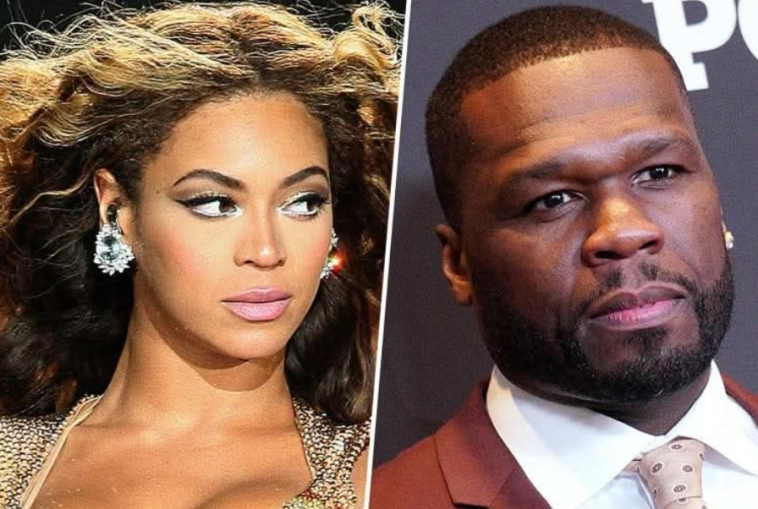
Breaking news has captured the attention of fans and media alike as Beyoncé has reportedly addressed the growing conversation surrounding 50 Cent’s Netflix documentary focused on Diddy. Rather than responding loudly or directly, her approach was described as calm, thoughtful, and deliberate—an approach many have come to associate with her public presence.
According to reports circulating online, Beyoncé shared a subtle yet meaningful comment that many interpreted as a response to the broader discussion sparked by the documentary. Her words did not name anyone directly, but the timing and context led fans to believe the message was intentional and carefully framed.
In her remarks, Beyoncé reportedly emphasized the importance of distinguishing between storytelling and turning deeply personal experiences into entertainment. She highlighted the responsibility that comes with addressing sensitive subjects, especially when those subjects involve pain, unresolved experiences, or long-standing trauma within the culture.
Her message suggested that accountability is necessary, but so is intention. According to interpretations shared by fans, Beyoncé appeared to be calling attention to how stories are told, not whether they should be told at all. The focus, many believe, was on dignity, care, and the long-term impact such narratives can have on individuals and communities.
The response from her fan base was immediate. Supporters quickly picked up on the tone and nuance of her statement, praising what they saw as a protective stance toward culture, legacy, and emotional responsibility. To them, her words reflected a philosophy she has long embodied—one centered on preservation, healing, and intentional expression.
On the other side of the conversation, 50 Cent reportedly remained unfazed by the reaction. Known for his direct and unapologetic approach, he responded in a way consistent with his public persona—confident, assertive, and unfiltered in perspective, though not without its own form of calculation.
In his response, 50 Cent reportedly emphasized the distinction between artistic expression and documentary storytelling. He suggested that his work focuses on presenting information through documented material rather than interpretation or metaphor. According to his stance, showing reality as it exists is not an act of harm, but an act of exposure.
He appeared to push back against the idea that presenting uncomfortable truths equates to exploitation. In his view, silence—especially when it protects powerful figures or uncomfortable histories—can be just as damaging as careless storytelling. His response framed his work as a contribution to transparency rather than provocation.
Supporters of 50 Cent echoed this sentiment, arguing that documentaries play a critical role in challenging narratives that have gone unexamined for years. To them, discomfort is not evidence of wrongdoing by the storyteller, but rather a reflection of truths that have been avoided for too long.
The exchange, whether direct or interpreted, highlights a deeper divide in how accountability and culture are approached. Beyoncé’s reported message centers on care, responsibility, and the emotional weight of storytelling. 50 Cent’s perspective emphasizes exposure, documentation, and confronting realities without softening their edges.
Neither approach is new, and neither exists in isolation. Music, film, and media have long served different purposes within culture. One often aims to heal and uplift, while the other seeks to reveal and challenge. Both can coexist, but tension arises when their intentions appear to clash.
What has resonated most with the public is not necessarily who is right or wrong, but how differently influence can be exercised. Beyoncé represents an approach rooted in protection, legacy, and emotional stewardship. 50 Cent represents a confrontational style that prioritizes visibility and raw presentation.
The conversation has sparked broader debate online about who gets to tell stories, how they should be told, and who benefits from them. Some argue that no single approach owns the truth, while others believe intention determines whether storytelling empowers or exploits.
As the discussion continues, one thing is clear: the cultural impact of this exchange extends beyond a single documentary or response. It reflects ongoing questions about responsibility in media, the balance between truth and care, and how influential voices shape public understanding.
At this time, neither party has escalated the situation further. What remains is a moment of reflection for audiences—one that invites viewers to consider not just the content they consume, but the values behind its creation.
In the end, this moment underscores a reality of modern culture: multiple truths can exist at once. Healing and exposure, protection and accountability, art and documentation all serve different roles. How they intersect will continue to define conversations like this for years to come.