 BM News Feed
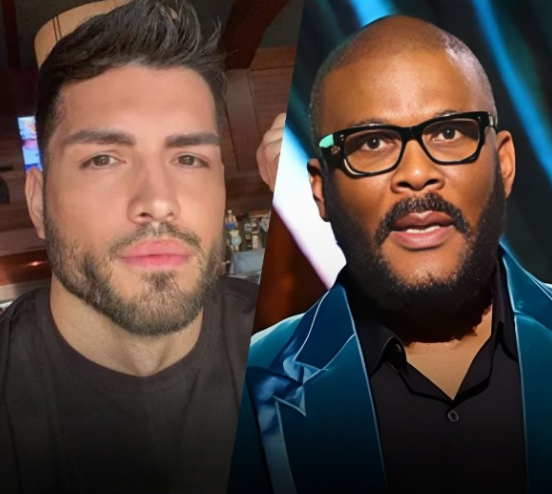
A man named Mario Rodriguez, who appeared in the Tyler Perry film Boo! A Madea Halloween, has come forward with serious allegations against the filmmaker and media mogul. According to Rodriguez, he experienced unwanted advances and inappropriate physical contact during his interaction with Perry, claims that have quickly drawn public attention due to the gravity of the accusations and the high-profile figure involved.
Rodriguez alleges that the behavior occurred without his consent and left him feeling uncomfortable and violated. He has stated that at the time, he chose not to pursue immediate legal action, but instead accepted a payment of $5,000, which he now describes as an effort to keep the matter quiet. He has acknowledged that he accepted the money, a detail that has become central to how the situation is being discussed publicly.
Now, Rodriguez is seeking significantly more compensation, reportedly demanding $77 million. He argues that the initial payment did not adequately address the emotional distress, professional impact, and long-term effects he claims to have experienced. His demand has sparked debate and skepticism online, with many questioning both the timeline and the dramatic escalation in the amount being sought.
As of now, Tyler Perry has not been found liable for any wrongdoing related to these claims, and the allegations remain unproven. Situations like this often involve complex legal questions, including consent, credibility, and the circumstances surrounding any prior agreements or payments. Without a court ruling, the claims remain allegations rather than established facts.
Public reaction has been mixed. Some people stress the importance of taking all accusations of misconduct seriously and allowing claims to be examined through proper legal channels. Others express concern about trial-by-public-opinion and emphasize that allegations alone do not equate to guilt. The case has reignited broader conversations about power dynamics in the entertainment industry, particularly when aspiring actors interact with influential figures.
It is also raising discussion about confidentiality payments and their implications. While such payments are sometimes used to avoid prolonged disputes, they can later complicate matters when accusations resurface. Legal experts often note that accepting money does not automatically invalidate someone’s claims, but it can affect how a case is perceived and argued.
At this stage, no official judgment has been made, and it remains unclear whether the matter will proceed to court. As with any serious allegation, the outcome will depend on evidence, legal review, and due process. Until then, the situation remains unresolved, serving as a reminder of the importance of accountability, fairness, and careful consideration when discussing sensitive and potentially damaging claims involving real people.