 BM News Feed
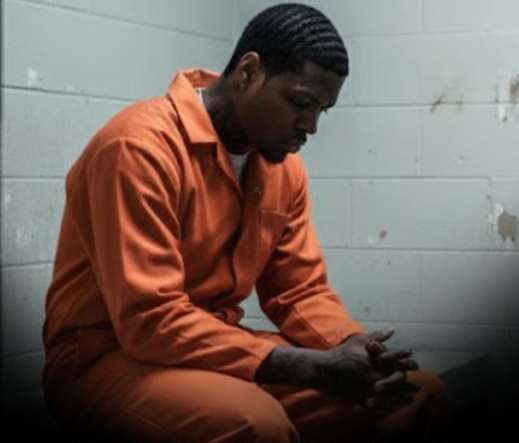
Concerns have emerged regarding the reported conditions surrounding Lil Durk’s incarceration, with his legal team alleging that the rapper has been held in solitary confinement for more than four months. According to his attorneys, the placement reportedly stems from an incident involving an unauthorized Apple Watch, though they argue that the response has been excessive and procedurally flawed.
Lil Durk’s legal representatives claim that he has been denied due process in connection with the disciplinary action. They allege that he has received limited explanations for his continued isolation and that official accounts regarding the situation have been inconsistent. These discrepancies, they argue, raise serious questions about whether proper procedures were followed and whether the punishment aligns with institutional standards.
In filings and statements, his attorneys state that Lil Durk has faced severe restrictions during this period, including limited access to phone calls, no commissary privileges, and no in-person visits. They contend that these conditions have significantly impacted his ability to maintain contact with family, legal counsel, and support systems, which are typically considered important safeguards for incarcerated individuals.
The legal team has also raised constitutional concerns, specifically citing the Eighth Amendment, which prohibits cruel and unusual punishment. They argue that prolonged solitary confinement—particularly without clear justification or regular review—can meet the threshold for constitutional violations. Courts and human rights organizations have long debated the psychological and emotional effects of extended isolation, especially when it lasts for months at a time.
According to the attorneys, prolonged solitary confinement carries a substantial risk of serious psychological harm. They warn that extended isolation can lead to anxiety, depression, cognitive decline, and emotional distress, effects that may persist even after confinement ends. These concerns are not unique to this case and have been echoed in broader discussions about prison reform and mental health.
Another issue highlighted by the defense is the alleged lack of transparency surrounding the disciplinary process. They claim that Lil Durk has not been given consistent or clearly documented reasons for the continued isolation, making it difficult to challenge or appeal the conditions effectively. This, they argue, undermines the principles of fairness and accountability that are meant to guide correctional systems.
At this time, officials have not publicly provided detailed responses addressing each of the claims made by the defense. Without full clarification, much of the situation remains contested, with opposing accounts contributing to uncertainty about the justification and duration of the confinement.
The case has drawn attention not only because of Lil Durk’s public profile, but also because it highlights broader concerns about the use of solitary confinement within the prison system. Advocates argue that high-profile cases can shed light on practices that affect many incarcerated individuals whose situations receive far less public scrutiny.
As legal proceedings continue, the focus remains on whether the conditions described violate established legal and constitutional standards. Lil Durk’s attorneys are seeking relief and review of the confinement, emphasizing the need for due process, humane treatment, and adherence to the law.
Ultimately, the situation underscores ongoing debates about incarceration practices, prisoners’ rights, and the balance between institutional security and human dignity. The outcome may have implications beyond this single case, contributing to larger conversations about reform and accountability within the correctional system.