 BM News Feed
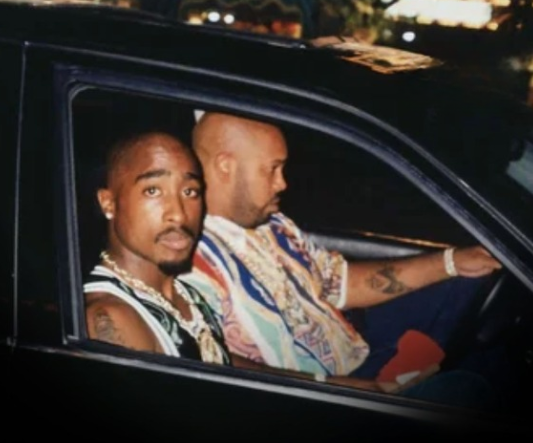
One of the most haunting and historically significant artifacts in hip-hop history has reemerged into public view. The BMW sedan that Tupac Shakur was riding in on the night he was fatally shot in 1996 is now back in the spotlight, officially listed for sale with an asking price of $1.75 million. The vehicle’s reappearance has reignited conversations about Tupac’s legacy and the tragic events that forever changed music history.
The car was driven by Marion “Suge” Knight on the night of September 7, 1996, after the pair attended the Mike Tyson boxing match in Las Vegas. While stopped at a red light, the vehicle was approached and Tupac was shot multiple times. He later succumbed to his injuries, marking one of the most devastating losses in hip-hop culture. Nearly three decades later, the BMW remains a powerful symbol of that moment.
According to reports, the vehicle has undergone a full professional restoration. However, rather than erasing its past entirely, those responsible for the restoration chose to preserve subtle reminders of the shooting. These details are meant to acknowledge the car’s historical significance rather than sanitize it, allowing the artifact to tell its full story.
The BMW is currently on display at Celebrity Cars Las Vegas, where it is drawing significant attention from fans, historians, and collectors. This marks the first time the vehicle has been publicly exhibited or made available for sale since Tupac’s death. For many visitors, seeing the car in person is a deeply emotional experience, offering a tangible connection to a moment that shaped an entire generation of music and culture.
The listing has sparked mixed reactions. Some view the sale as an opportunity to preserve and protect an important piece of music history, ensuring it remains intact rather than lost or forgotten. Others feel uneasy about placing a monetary value on an object so closely tied to tragedy, raising ethical questions about commercialization and memory.
Tupac Shakur’s influence continues to reach far beyond his music. His life, activism, and artistry remain subjects of study and admiration, and artifacts connected to him often carry immense emotional weight. The BMW, in particular, represents both the peak of his fame and the sudden violence that cut his life short at just 25 years old.
Collectors of music memorabilia have long sought rare and meaningful items tied to influential artists, and this car stands among the most significant. Unlike stage outfits or handwritten lyrics, the BMW is directly connected to a defining historical moment, making it both valuable and controversial.
The public display has also reopened broader discussions about how history is remembered. Museums, exhibitions, and private collections often walk a delicate line between education and exploitation. Supporters of the display argue that presenting the vehicle with context allows newer generations to understand the magnitude of Tupac’s impact and the era in which he lived.
As interest continues to grow, it remains unclear who will ultimately purchase the car—or whether it will remain publicly accessible. What is certain is that its return to the spotlight has once again reminded the world of Tupac Shakur’s enduring legacy and the unresolved questions surrounding his death.
Decades later, Tupac’s story continues to resonate, and the BMW serves as a silent witness to a moment that still echoes through hip-hop culture today.