
 BM News Feed
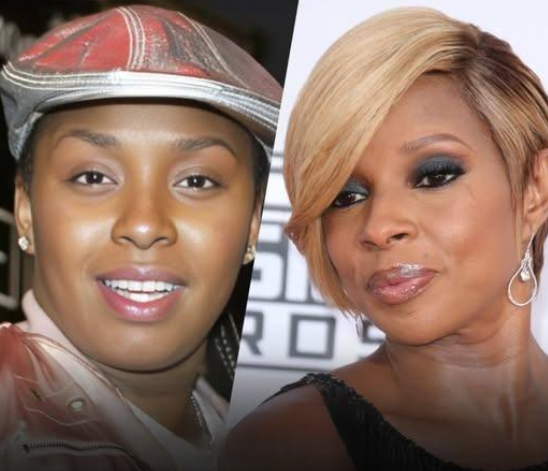
Jaguar Wright recently made headlines after publicly claiming that Mary J. Blige used her marriage as a way to conceal her romantic attraction to women. The statement quickly sparked conversation online, drawing strong reactions from fans, critics, and observers across social media platforms.
Wright, who has become known in recent years for making controversial claims about well-known figures in the music industry, framed her remarks as her personal opinion rather than verified information. Her comments added to an ongoing pattern of public speculation that has often surrounded high-profile artists, particularly when their personal lives intersect with fame, scrutiny, and public expectations.
It is important to note that Mary J. Blige has not confirmed or supported Wright’s claims. Blige, a Grammy-winning artist widely respected for her honesty in music, has historically shared her emotional experiences through her songs rather than public commentary on rumors or speculation. Throughout her career, she has spoken openly about love, heartbreak, healing, and personal growth, but she has largely maintained privacy when it comes to unverified narratives about her personal life.
The conversation surrounding Wright’s statement highlights a broader issue in celebrity culture: the tendency to speculate about someone’s identity, relationships, or private life without direct confirmation. Such speculation can quickly spread online, often blurring the line between opinion, rumor, and fact. For many fans, this raises concerns about boundaries, respect, and the impact of unproven claims on a person’s reputation and well-being.
Mary J. Blige’s marriage and eventual divorce have previously been discussed in the media, primarily in the context of emotional challenges and personal healing. Blige herself has spoken about reclaiming her peace and independence following that chapter of her life. However, she has never publicly stated that her marriage was a cover for any aspect of her identity, nor has she suggested that her personal relationships were anything other than genuine at the time.
Supporters of Blige were quick to defend her, emphasizing that an artist’s private life should not be reduced to speculation or used as entertainment. Many pointed out that Blige’s legacy is rooted in her music, resilience, and cultural impact—not unverified commentary from third parties. Others stressed that assumptions about anyone’s sexuality or motivations can be harmful, regardless of intent.
At the same time, Wright’s comments reignited discussions about how women—particularly Black women in the entertainment industry—are often subjected to invasive scrutiny. Fans and commentators noted that such narratives can overshadow achievements and shift focus away from an artist’s contributions and influence.
Ultimately, the situation serves as a reminder of the responsibility that comes with public commentary. While opinions and personal perspectives are common in media conversations, distinguishing between verified facts and personal claims is essential. Mary J. Blige remains a celebrated icon whose influence spans decades, and her work continues to resonate with millions worldwide.
As the discussion continues online, many fans are choosing to center respect, caution, and appreciation for Blige’s artistry, rather than amplifying unconfirmed narratives.