 BM News Feed
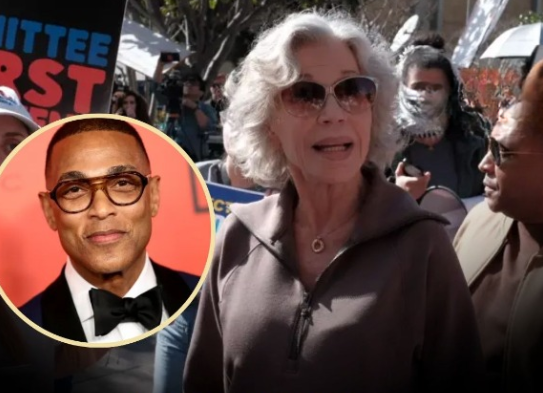
Jane Fonda is speaking out in strong support of Don Lemon following his arrest related to his reporting on an anti-ICE church protest, and her stance has reignited conversations around press freedom and the right to document public demonstrations. Known for her decades-long activism, Fonda did not hesitate to defend Lemon, framing the situation as an overreach that raises serious concerns about how journalists are treated while doing their jobs.
According to Fonda, Don Lemon was acting in his capacity as a journalist when he covered the protest. She emphasized that reporting on politically charged events, especially those involving immigration and law enforcement, is a fundamental part of a free press. In her view, targeting reporters for documenting these moments sets a dangerous precedent that could discourage journalists from covering stories that matter to the public.
Fonda also pointed out that protests, particularly those tied to social justice and civil rights, have long been an essential part of American history. Journalists have always played a crucial role in documenting these movements, ensuring transparency and accountability. She argued that criminalizing reporting in these spaces blurs the line between participation and observation, putting press protections at risk.
Her comments were not only about Don Lemon as an individual, but about the broader implications of his arrest. Fonda warned that when journalists are detained or charged for covering protests, it sends a chilling message to the media as a whole. The fear of legal consequences, she suggested, could lead to self-censorship and reduced coverage of controversial or uncomfortable issues.
Public reaction to Fonda’s support has been mixed but passionate. Supporters applaud her for using her platform to stand up for journalistic rights and free expression. They see her comments as consistent with her long history of activism and willingness to challenge authority. Critics, however, argue that legal boundaries still apply regardless of profession, fueling ongoing debate about where those lines should be drawn.
Don Lemon, for his part, has maintained that he was simply reporting and not interfering with any proceedings. His arrest has sparked renewed discussion about the responsibilities and protections of journalists in protest settings, especially when events take place in sensitive or symbolic locations like places of worship.
Ultimately, Jane Fonda’s defense of Don Lemon highlights a larger issue beyond a single incident. It raises questions about how society balances law enforcement, public order, and the constitutional right to a free press. Her message underscores the belief that protecting journalists is essential to protecting democracy itself, especially during moments of political tension and social change.