
 BM News Feed
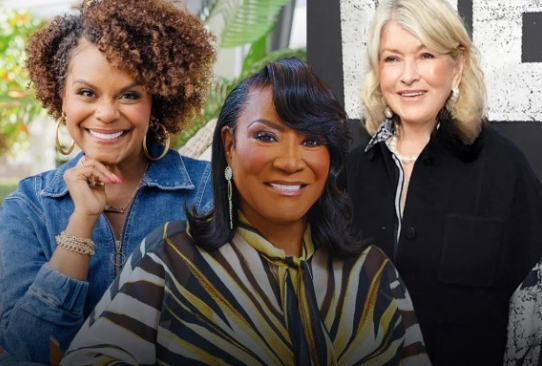
Patti LaBelle recently sparked conversation after sharing her belief that Tabitha Brown could be just as widely recognized and influential as Martha Stewart if race were not a factor. Her statement has opened up a broader discussion about visibility, opportunity, and how systemic barriers can shape public recognition, even for talented and widely loved figures.
Tabitha Brown has built a remarkable career rooted in authenticity, warmth, and positivity. From viral videos to bestselling books, television appearances, and successful brand partnerships, she has become a trusted voice in wellness, food, and lifestyle spaces. Her approach is centered on kindness, encouragement, and accessibility, which has helped her cultivate a deeply loyal audience across generations.
Patti LaBelle’s comments were not meant to diminish Martha Stewart’s achievements, but rather to highlight how uneven access and recognition can be within the lifestyle and branding world. Martha Stewart has long been positioned as a household name, benefiting from decades of mainstream exposure and institutional support. LaBelle’s point suggests that when Black creators achieve success, they often face additional hurdles that limit how far their influence is allowed to extend.
The comparison brings attention to how race can quietly shape media narratives, marketing opportunities, and long-term brand elevation. While Tabitha Brown has secured major deals and widespread admiration, some believe her reach could be even greater if the same level of investment, promotion, and cultural validation were consistently applied. This perspective reflects a long-standing reality for many Black creatives who must work harder to receive equal acknowledgment.
Supporters of LaBelle’s statement argue that Tabitha Brown represents a modern blueprint for lifestyle branding. She blends home, health, family, and self-care in a way that feels genuine and inclusive. Her success is not manufactured, but built through trust and emotional connection. Many feel that her influence already rivals that of legacy figures, even if mainstream platforms have not fully embraced her on the same scale.
At the same time, the discussion has encouraged reflection on how success is defined. Tabitha Brown has repeatedly expressed that her goal is not comparison, but impact. She often emphasizes purpose over status and uses her platform to uplift others, especially Black women and creatives. From that perspective, her influence may already surpass traditional measurements of fame or brand dominance.
The conversation sparked by Patti LaBelle also highlights the importance of representation in industries that shape culture and everyday life. Lifestyle branding influences how people eat, live, decorate, and care for themselves. When diverse voices are elevated, it expands the definition of excellence and makes these spaces more inclusive for everyone.
Ultimately, Patti LaBelle’s statement has less to do with ranking individuals and more to do with addressing unequal systems. It invites people to consider how talent, authenticity, and hard work are sometimes filtered through societal bias before being fully recognized. Whether or not comparisons are made, Tabitha Brown’s impact is undeniable and continues to grow.
As Tabitha Brown’s career evolves, she remains a powerful example of what it looks like to lead with joy, integrity, and purpose. Regardless of labels or comparisons, her influence is already reshaping the lifestyle space and inspiring millions to live with intention, grace, and self-love.