 BM News Feed
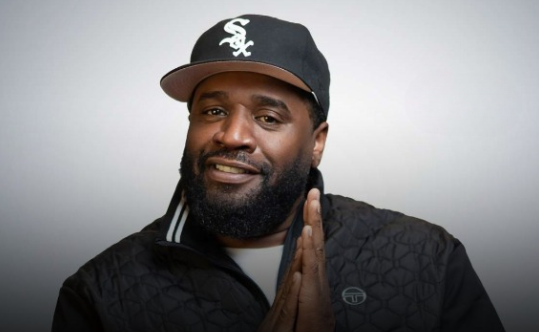
Recent comments from comedian Corey Holcomb have sparked conversation after he shared how a viral video and its widespread coverage deeply affected his personal and professional life. Holcomb stated that following the circulation of the video, his career faced serious setbacks that he did not anticipate.
According to Holcomb, the situation led to a sudden loss of work opportunities. He explained that shows he had already scheduled were either canceled or quietly removed from calendars, and that new bookings became increasingly difficult to secure. The comedian expressed frustration over what he described as an abrupt shift in how he was viewed within the entertainment industry.
Holcomb specifically pointed to media coverage surrounding the viral clip, saying he believes it played a significant role in shaping public perception. He shared that once the video gained traction, the narrative surrounding him changed almost overnight. As a result, promoters and venues appeared hesitant to associate with him, regardless of his past work or established fan base.
The comedian spoke candidly about the emotional impact of the experience. Beyond the financial strain, he described the feeling of being misunderstood and excluded from opportunities he had worked years to build. Holcomb emphasized that comedy is not just his profession, but a major part of his identity, making the sudden disruption especially difficult to process.
His comments also reignited a broader discussion about the power of viral media in today’s digital landscape. A single moment, often lacking full context, can quickly define how someone is perceived. For entertainers who rely on public appearances and live events, this kind of exposure can have lasting consequences.
Supporters of Holcomb have voiced concern about how quickly careers can be affected by online attention. Many argue that audiences and industry decision-makers should consider the full scope of a person’s work rather than focusing on isolated incidents. Others see the situation as an example of how unforgiving modern media cycles can be.
While opinions remain divided, Holcomb’s experience highlights the challenges faced by performers navigating a media environment where stories spread instantly and widely. His situation serves as a reminder of how fragile public careers can be and how important balance, fairness, and context are when responding to viral moments.
As Holcomb continues to speak openly about his experience, the conversation around accountability, media influence, and second chances continues. Whether his career rebounds quickly or gradually, his story reflects the reality many entertainers face in an era where visibility can bring both opportunity and unexpected hardship.