 BM News Feed
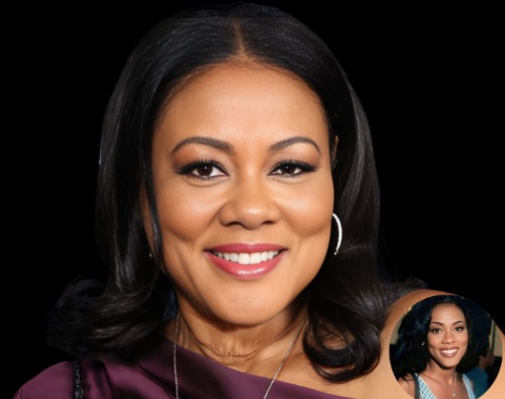
Actress Lela Rochon recently shared her thoughts on beauty standards, comparing how women expressed beauty in the 1990s to what is commonly seen today. Her comments sparked conversation, not as criticism, but as a reflection on how cultural expectations around appearance have evolved over time.
According to Rochon, women in the 1990s embraced their natural features more openly because beauty enhancements were far less common and far less accessible. Hairstyles, makeup, and fashion choices were often simpler, allowing individuality to shine through without heavy reliance on cosmetic trends. Each woman’s look felt personal, expressive, and rooted in what she naturally had.
She explained that during that era, there was a stronger emphasis on originality. Women worked with their unique features, body types, and styles, which helped create a wide range of beauty rather than one dominant look. Differences were not something to correct, but something to celebrate, and that diversity made the era memorable.
Rochon also noted that modern beauty culture offers more options and tools than ever before, which can be empowering for many women. Advances in fashion, hair, makeup, and cosmetic procedures allow people to explore creativity and self-expression in new ways. However, she suggested that these options can sometimes create pressure to conform rather than embrace individuality.
The actress emphasized that the absence of heavy enhancements in the past often meant women were recognized for their distinct presence rather than how closely they matched a trend. From body shapes to hairstyles, there was room for imperfection, authenticity, and personal style. That freedom contributed to a sense of confidence rooted in self-acceptance.
At the same time, Rochon acknowledged that every generation defines beauty on its own terms. What felt empowering in the 1990s may look different today, just as future generations will shape their own standards. Her reflection was not meant to diminish modern beauty choices, but to highlight how individuality once played a more central role in mainstream culture.
Her comments also invite a broader discussion about balance. While modern beauty tools can enhance confidence and creativity, they should not replace self-worth or uniqueness. True beauty, she suggests, comes from embracing what makes each person different rather than striving for uniformity.
Ultimately, Rochon’s perspective serves as a reminder that beauty is constantly evolving. Whether in the 1990s or today, confidence, authenticity, and self-expression remain timeless. Trends may change, but individuality continues to be the most powerful and lasting form of beauty.
The conversation sparked by her comments encourages reflection rather than division. It asks us to appreciate the past, understand the present, and move forward with a deeper respect for personal choice, self-expression, and the many ways beauty can exist across generations.