
 BM News Feed
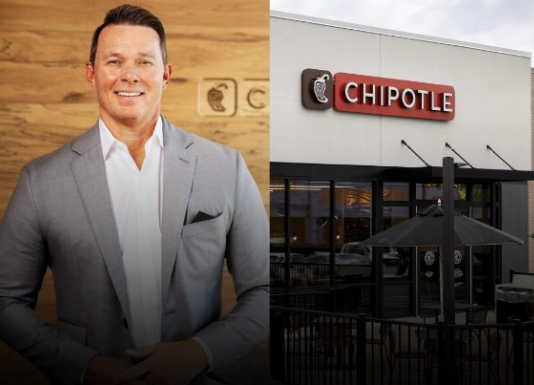
Chipotle Mexican Grill’s CEO recently addressed the company’s pricing strategy, sparking widespread discussion online. According to his remarks, the brand’s core customer base largely consists of individuals earning over $100,000 annually, and pricing decisions are being made with that demographic in mind.
The statement immediately drew attention, as conversations about food affordability and rising living costs continue across the country. For many consumers, even small price increases at fast-casual restaurants can add up quickly, especially for families or individuals dining out regularly.
From a business standpoint, companies often analyze detailed customer data to determine who their primary audience is. Income levels, spending habits, and purchasing patterns all factor into pricing strategies. Executives typically aim to balance profitability with maintaining customer loyalty, particularly during periods of inflation and higher operational costs.
Chipotle, like many restaurant chains, has faced increased expenses related to ingredients, labor, transportation, and supply chain challenges in recent years. In response, the company has implemented price adjustments to protect margins while continuing to expand and invest in growth.
However, framing price increases around a higher-income customer base has led to mixed reactions. Some observers argue that businesses have the right to position themselves toward certain demographics, especially if market research supports that approach. Others question whether such messaging risks alienating customers who may not fall into that income bracket but have remained loyal to the brand.
The broader conversation also touches on how brands define their identity. Fast-casual restaurants like Chipotle traditionally positioned themselves as accessible alternatives to both fast food and full-service dining. As prices climb, some customers wonder whether affordability remains part of that identity.
At the same time, analysts note that consumer spending trends show higher-income households have been more resilient in the face of economic shifts. Companies across multiple industries are increasingly tailoring offerings to customers who have greater spending flexibility.
Ultimately, the debate highlights the tension between business strategy and public perception. While data-driven decisions are common in corporate planning, how those decisions are communicated can significantly influence customer sentiment.
As pricing conversations continue, consumers will likely evaluate whether the brand still fits within their budgets and expectations. Meanwhile, Chipotle appears focused on maintaining profitability while serving what leadership describes as its core demographic.
The discussion reflects a larger economic reality: companies are constantly adjusting to changing financial landscapes, and customers are equally attentive to how those changes affect their everyday choices.