 BM News Feed
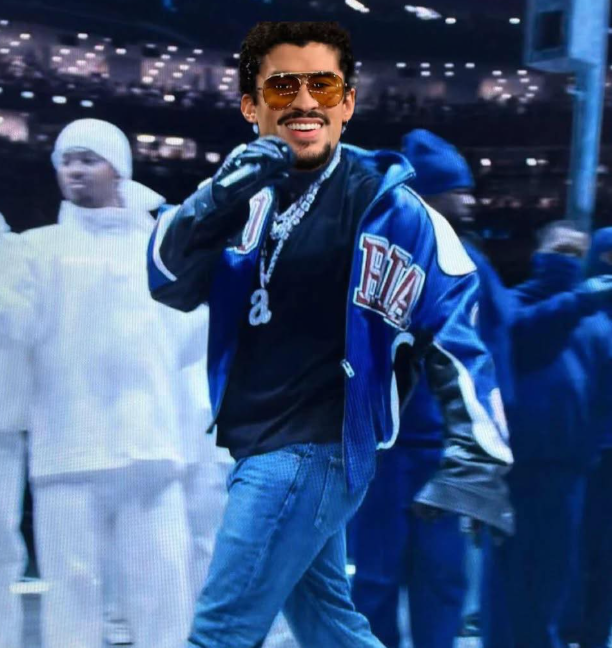
Social media and news outlets have been buzzing following the 2026 Super Bowl halftime show, which was officially headlined by Bad Bunny — and how it appeared to leave an alternate “Turning Point” halftime event far behind in public interest and popularity. The contrast between the two performances has led many to say that Bad Bunny truly “cleared Turning Point” in terms of cultural impact, viewership, and influence on the conversation around the event.
Bad Bunny’s performance at Super Bowl LX was historic in many ways. The Puerto Rican artist delivered a dynamic, fully scripted show that highlighted his musical versatility and cultural roots, featuring choreography, visuals, and thematic elements that reached viewers around the world. His presence at the halftime slot alone marked a moment many fans saw as symbolic of the evolving landscape of global music and representation.
In response to his selection — especially from critics who objected to a non-English performance or who questioned his fit for the event — conservative organization Turning Point USA organized a separate “All-American Halftime Show” that ran concurrently with the broadcast. That show featured country artists like Kid Rock, Lee Brice, Brantley Gilbert, and Gabby Barrett as an alternative cultural program.
While the Turning Point USA event did attract millions of viewers online — Roughly 20 million views on YouTube were reported for their show — Bad Bunny’s performance on the official platform, including NBC, Peacock, and NFL digital streams, drew far higher viewership numbers. In the U.S. alone, Nielsen data shows his halftime set averaged 128.2 million viewers, making it one of the most-watched halftime shows in history.
Critics of the Turning Point alternative were vocal online, with some calling the event and its production quality lacking compared to the main Super Bowl show. Others saw the simultaneous performances as symbolic of broader cultural and political divides, given that the Turning Point event was framed to emphasize traditional “American” themes while Bad Bunny’s show celebrated Latin identity and global influence.
Even artists unaffiliated with either show weighed in: singer Zach Bryan publicly described the Turning Point show as “embarrassing” while defending the notion that the main halftime event was about music and unity rather than exclusion or division.
For many fans and commentators, what happened on Super Bowl Sunday isn’t just about numbers — it’s about cultural resonance. Bad Bunny’s halftime show not only drew massive attention but also sparked global conversation about representation, language, music’s evolving audience, and the role large cultural moments play in shaping perceptions. Meanwhile, the Turning Point event — despite its own audience — did not capture mainstream attention to the same degree.
In that sense, when people say Bad Bunny “cleared Turning Point,” they are referring to how decisively the official halftime performance dominated cultural relevance, audience engagement, and media discussion. The legacy of the evening will likely be remembered more for the record-breaking halftime show itself than for any rival programming that aired at the same time.