 BM News Feed
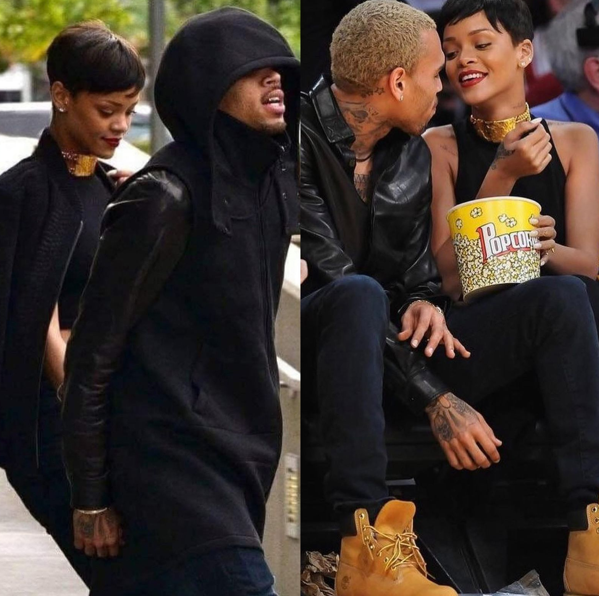
The relationship between Chris Brown and Rihanna remains one of the most discussed and complicated chapters in modern pop culture history.
In 2009, a highly publicized incident involving domestic violence led to legal consequences for Brown and deeply impacted both artists’ personal lives and careers. The case received intense global media coverage and sparked widespread conversations about accountability, abuse, and celebrity culture. Brown faced criminal charges and industry backlash, while Rihanna became a central voice in discussions about surviving relationship violence.
Several years later, in 2012 and 2013, the two artists briefly reconciled both personally and professionally. They collaborated on new music and were seen together publicly, surprising many fans who believed their relationship had permanently ended. During that time, Rihanna gave interviews in which she expressed her personal feelings about Brown, describing him as someone she saw beyond the public narrative. In one widely circulated quote from 2013, she stated that he was not the “monster” many perceived him to be and spoke about his humor and qualities she appreciated.
Their reunion, however, was short-lived. By 2013, the relationship had ended again. Around that period, Rihanna was also linked romantically to Drake, adding another layer to the media spotlight surrounding her personal life.
The broader conversation often extends beyond their relationship itself and into how the public responds to redemption, accountability, and second chances. Some observers argue that despite legal consequences and years having passed, Brown continues to face industry scrutiny and criticism tied to his past actions. Others believe that serious incidents of violence naturally carry long-term reputational consequences, especially in an era that increasingly centers survivors’ voices and accountability.
At the same time, comparisons are sometimes drawn between how different public figures are treated in the media. For example, discussions about individuals connected to the case of Jeffrey Epstein often arise in debates about justice and perceived disparities in public and legal consequences. However, each case involves different circumstances, legal findings, and contexts, making direct comparisons complex.
What remains clear is that the Chris Brown and Rihanna story reflects broader societal tensions around forgiveness, accountability, and public memory. Some fans focus on Rihanna’s own words and her decision at the time to reconnect, emphasizing personal agency and forgiveness. Others stress that forgiveness in private does not necessarily erase public consequences or societal concerns about violence.
Seventeen years later, the discussion continues because it touches on issues that extend far beyond celebrity relationships — including how people change, how long past actions define someone, and how the media shapes long-term narratives.
Ultimately, the situation remains a deeply layered chapter in pop culture history, one that continues to spark debate about justice, growth, redemption, and the role of public opinion in shaping an artist’s legacy.