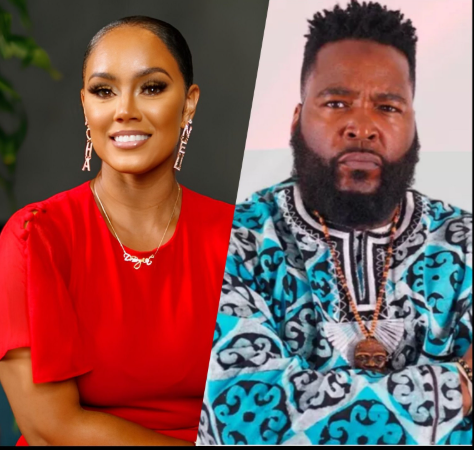
Dr. Umar Defends Dr. Bryant Amid Credential Controversy Sparks Online Debate
Dr. Cheyenne Bryant has recently been the subject of online discussion after social media users questioned her professional background and requested more publicly available details regarding her academic credentials.
The conversation intensified after users pointed to the absence of publicly shared documents such as degree records, dissertations, transcripts, or graduation photos, leading to ongoing debate online about transparency when public figures use academic or professional titles.
In response to the broader criticism, Dr. Umar Johnson offered his perspective during commentary on the situation. He suggested that some of the backlash directed at Dr. Bryant may be influenced by factors beyond credentials alone, including perceptions of success, visibility, and public influence.
Dr. Umar emphasized that, in his view, Dr. Bryant has not been accused of practicing without a license or harming clients in a clinical setting, noting that she is known primarily as a life coach and media personality rather than a licensed therapist.
He also suggested that part of the criticism circulating online may be driven by broader social dynamics, including disagreement over public image, platform size, and professional success.
However, the situation has sparked a divided response across social media. Some users argue that anyone using academic titles in a public-facing role should be willing to provide clear and verifiable proof of qualifications in order to maintain transparency and public trust.
Others believe the reaction has gone beyond credential verification and has turned into personal criticism amplified by online discourse, arguing that public figures often face heightened scrutiny regardless of intent.
The debate has since grown into a wider conversation about accountability, representation, and how professional credibility should be established in the age of social media, where public perception can spread quickly and shape reputations.
As discussions continue, opinions remain sharply divided on what is driving the controversy.
So the question being asked is: is this primarily about transparency and accountability, or are broader social biases influencing the way the situation is being interpreted?