 BM News Feed
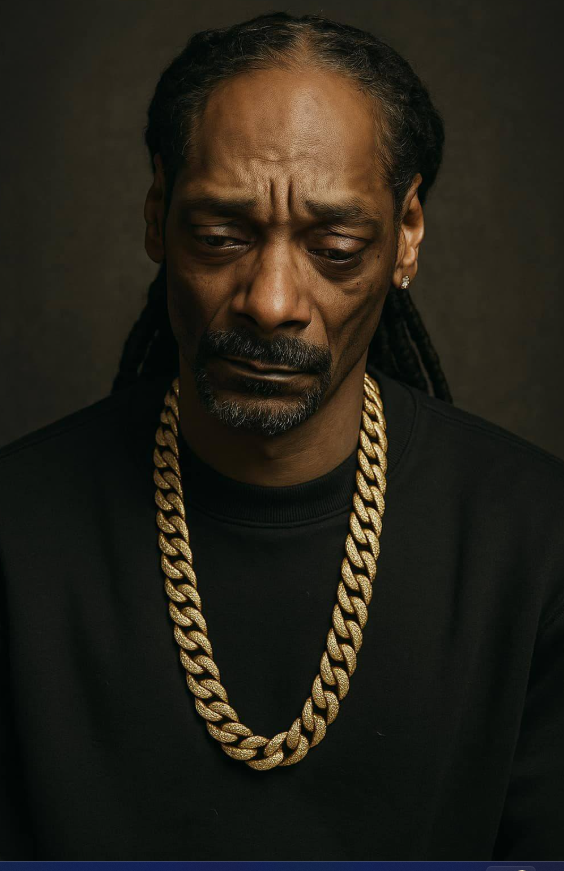
No warning. No buildup. Just a collapse that resonated across social media feeds, music studios, and communities alike. Once celebrated as hip-hop royalty—a voice that transcended rivalries, regions, and generations—he had become a symbol of the West Coast’s artistic pride. From iconic performances on global stages to moments alongside world leaders, and from groundbreaking album releases to multi-million-dollar business ventures, he wasn’t just part of the culture—he embodied it.
And yet, in one night, everything shifted. One appearance, one decision, one stage that carried an impact louder than anticipated, and suddenly the narrative around him changed. Fans who had championed him through label battles, rap feuds, reinventions, and reality TV moments began to pull back. Those who had memorized his lyrics and worn his music as a badge of identity quietly began to reevaluate. Across neighborhoods, suburbs, and industry circles, the conversation grew hushed.
The lesson became clear: authenticity and connection with your audience are fragile, and choices that contradict that bond can create consequences faster than anyone anticipates. According to sources, the repercussions have been immediate. Endorsements have been paused or canceled, partnerships reconsidered, and a planned world tour now hangs uncertainly in the balance. Ticket refunds are being processed, sponsors are reconsidering commitments, and brands are releasing statements emphasizing “mutual decisions.”
What resonated most with fans wasn’t merely the choice itself—it was the perception of distance it created. For decades, they had celebrated him as one of their own, a voice rooted in the experiences and struggles of the community that embraced him. That sense of shared identity, the illusion that he was “one of us,” was suddenly disrupted. Many felt a mix of disappointment, confusion, and heartbreak, realizing that thirty years of loyalty and admiration could feel overshadowed by a single moment.
Still, it’s worth noting that this isn’t about hatred or personal attacks. Fans aren’t angry—they’re hurt. They mourn the shift in connection and the feeling that the legend they admired may no longer fully represent the values that initially drew them in. The situation has sparked conversations about responsibility, artistic freedom, and the tension between personal opportunity and public perception in an era where every choice is amplified.
Legends, as history shows, don’t fade quietly—they make choices, and sometimes those choices redefine how the world sees them. The fall of a public figure is rarely simple; it’s a combination of decisions, context, and the expectations that fans and communities place on those in the spotlight. This story is less about condemnation and more about reflection: about the delicate balance between success, authenticity, and the bonds that make an artist timeless.
Ultimately, the narrative isn’t over. The legacy remains, complicated but undeniable. While fans scroll, replay, and reflect, one truth persists: legends are defined not just by their highs, but by how they navigate the moments that challenge everything they’ve built. And in this case, the leap—intentional or inevitable—has left an indelible mark on the culture he helped shape.