 BM News Feed
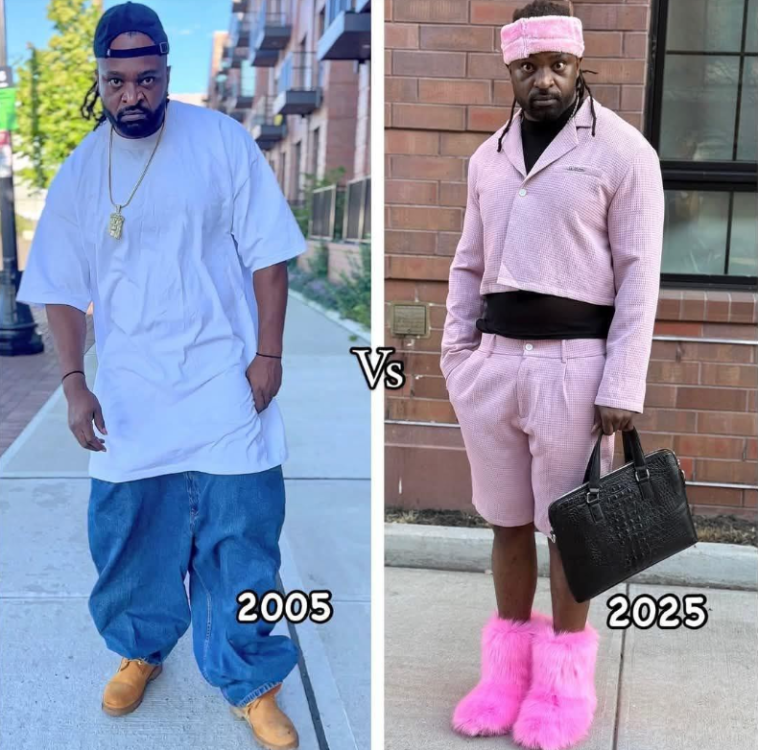
Rapper fashion has always been a reflection of culture, personality, and the times, and comparing the style of 2005 to that of 2025 offers a fun look at how trends have shifted over the last two decades. Back in 2005, hip-hop fashion was all about bold logos, baggy silhouettes, and flashy accessories. Artists made statements not just with their music but with their clothing, and the era had a distinct aesthetic that fans remember fondly.
In 2005, oversized jeans, hoodies, and jerseys dominated the scene. Baggy pants were almost a uniform, paired with oversized t-shirts or hoodies that often bore the logos of popular brands like FUBU, Rocawear, or Sean John. Accessories were equally important—think massive gold chains, diamond-studded watches, and grills that glinted every time a rapper smiled. Baseball caps were worn tilted or sideways, and sneakers were often limited-edition kicks that completed the look. This style emphasized status, confidence, and street credibility, and it became a defining image of early-2000s hip-hop culture.
Fast forward to 2025, and the style has evolved dramatically. While luxury brands are still a big part of rapper fashion, there’s a noticeable shift toward tailored fits, minimalist aesthetics, and experimental streetwear. Slim-fit pants and designer jackets are more common, often paired with high-fashion sneakers or custom footwear. Logos are less oversized and more subtle, allowing for a polished yet edgy appearance. Rappers now mix casual streetwear with haute couture, blurring the lines between street style and runway fashion.
Another major change is the approach to colors and patterns. Where 2005 fashion relied heavily on bold colors and flashy patterns, 2025 embraces muted tones, earth tones, and monochromatic looks. Even accessories have transformed: instead of chunky gold chains, many artists prefer layered necklaces, statement rings, or high-end watches with sleek designs. Hair and grooming have also evolved, with hairstyles and personal aesthetics playing a central role in the overall look.
Despite the differences, some things remain the same: confidence, individuality, and a flair for making a statement. Rappers in both eras use fashion as a way to express personality and connect with fans. Whether rocking baggy jeans and massive chains or sporting tailored suits with avant-garde sneakers, hip-hop fashion continues to push boundaries and influence global trends.
In conclusion, comparing 2005 and 2025 rapper fashion highlights how style evolves alongside culture. From oversized logos and bold streetwear to sleek, curated designer looks, the transformation is both entertaining and inspiring. While the humor in this evolution is undeniable, it also shows how artists adapt to trends while maintaining their unique personalities. Fashion in hip-hop isn’t just about clothing—it’s about attitude, creativity, and making an impression that lasts.