 BM News Feed
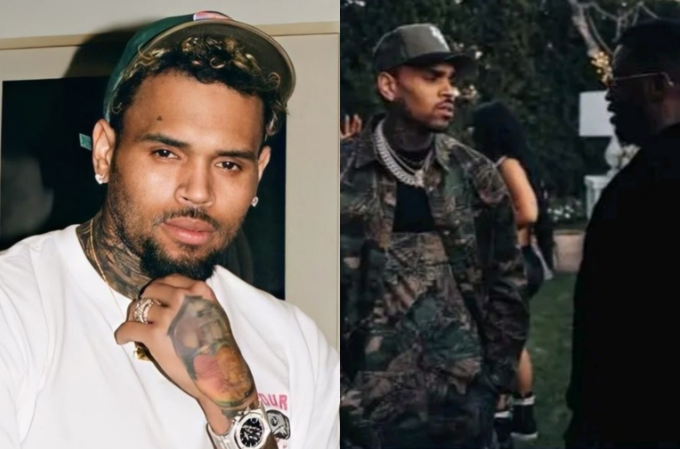
Chris Brown’s revelation about his early encounter with Diddy has sent waves across the music world, reminding fans that even the biggest stars faced painful setbacks long before their rise to fame. Long before the platinum records, sold-out stadiums, and international recognition, Chris was just a determined kid chasing a dream. At only eleven or twelve years old, he believed he was moments away from unlocking a future in the music industry. Instead, he walked into one of the most discouraging experiences of his young life—a moment that would later become one of the greatest turning points in his entire career.
Chris explained that he went to Bad Boy Records for an audition, hopeful and excited, performing alongside friends who shared the same ambition. They rehearsed their song, confident that this was their shot. For a child that young, stepping into a major record label’s office—especially one led by someone as powerful as Diddy—was both overwhelming and electrifying. The energy, the expectations, and the possibility of being chosen all weighed heavily on his mind, but he kept pushing because he knew what he wanted.
When the audition finally happened, Chris poured his heart into the performance, believing he was showing exactly what he was capable of. But instead of receiving encouragement, guidance, or even basic recognition, he was confronted with brutal disappointment. According to Chris, Diddy told him he simply “wasn’t good enough.” No sugarcoating, no soft landing—just a hard, painful truth dropped on a boy who had put everything he had into those few minutes. The moment stung deeply, leaving Chris crushed as he walked out of the room, trying to process what had just happened.
He described standing in the elevator afterward, thinking that maybe this was the end of his dream—that maybe someone like Diddy was right, and he wasn’t cut out for the industry. But in that quiet moment of heartbreak, something powerful shifted inside him. Instead of letting those words define him, Chris used them as his motivation. He promised himself that he would become better, stronger, sharper, and more skilled. The rejection that could have broken him ended up becoming the fire that shaped him.
From that day forward, Chris committed himself to improvement. He practiced relentlessly, trained his voice, studied performers he admired, and pushed himself far beyond what most kids his age ever attempted. Every time he felt discouraged, he remembered that elevator moment and the sting of being called “not good enough.” Rather than destroy him, it fueled him. Years later, the world would meet a version of Chris Brown that even Diddy couldn’t have predicted—a superstar with extraordinary talent, unmatched performance skills, and global impact.
Looking back, fans say Chris was lucky he didn’t get signed that day. The rejection protected him from situations he didn’t belong in and pushed him toward becoming the legend he is now. What felt like a door slamming in his face turned out to be the very moment that opened an entire world of success for him.