
 BM News Feed
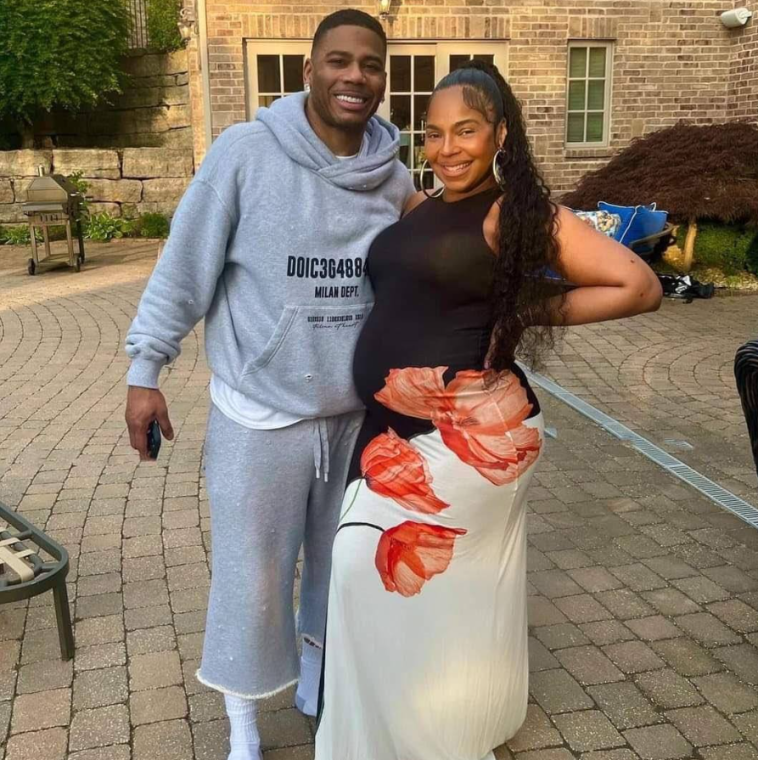
Recent conversations online have sparked debate about the public relationship between Nelly and Ashanti, with some observers questioning how genuine happiness can appear under constant public scrutiny. When celebrities navigate relationships in the spotlight, every gesture is analyzed, often leading to assumptions that may not reflect reality. Public perception, however, does not always capture the complexity of private emotions.
Speculation often grows when major life changes occur, especially when relationships evolve later in life. Some critics frame these moments as sudden or unexpected, but many people experience meaningful connections at different stages of adulthood. Age and timing do not determine the value or sincerity of a relationship, even though social commentary frequently suggests otherwise.
Ashanti, like many public figures, has had a visible dating history that has been widely discussed over the years. Being linked to multiple well-known individuals is often portrayed negatively online, despite the fact that dating and forming relationships is a normal part of life for anyone, regardless of fame. Public narratives tend to oversimplify these experiences, reducing them to lists or labels rather than acknowledging personal growth.
The assumption that previous relationships define a person’s ability to commit or build a future can be misleading. Many people take time to understand themselves before settling down, and that journey looks different for everyone. Past relationships do not automatically disqualify someone from forming a healthy, lasting partnership later in life.
Commentary surrounding men and women often differs unfairly, especially when discussing age, success, and romantic choices. Men are frequently praised for later-life relationships, while women face criticism for the same decisions. These double standards continue to shape how celebrity relationships are judged and discussed in public spaces.
Some narratives frame relationships as strategic choices rather than emotional ones, suggesting regret or imbalance without clear evidence. In reality, long-term success and personal fulfillment cannot be measured solely by timing or public opinion. Relationships are influenced by compatibility, shared values, and personal readiness, not just past experiences.
The idea that one person is “settling” while the other is “losing” oversimplifies the reality of human connection. Life does not follow a single path, and fulfillment does not expire after a certain age. Many people find stability, love, and happiness after years of growth, self-discovery, and change.
Celebrity culture often encourages extreme opinions, but these perspectives rarely account for nuance or empathy. Judging someone’s life choices from the outside ignores the private conversations, mutual understanding, and shared intentions that define real relationships.
Ultimately, relationships should be viewed with balance rather than comparison. Success is not diminished by who someone dated in the past, nor is it guaranteed by status or reputation. Respecting individual journeys allows for a more thoughtful and mature conversation — one that recognizes that growth, love, and commitment can happen at any point in life.
In the end, public figures deserve the same understanding afforded to anyone else: the freedom to evolve, choose differently, and define happiness on their own terms.