 BM News Feed
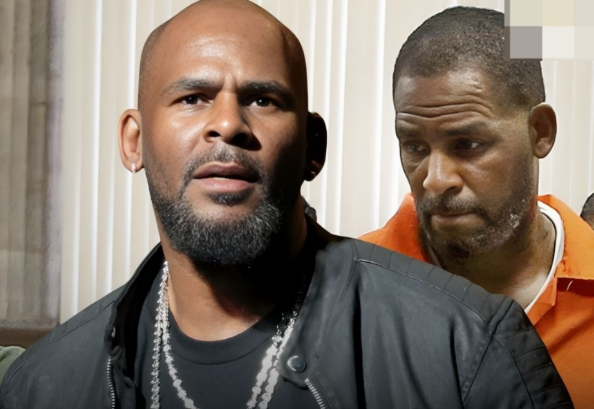
R. Kelly once made deeply controversial statements regarding the parents of his victims, comments that have continued to spark outrage and intense public debate. During an interview with CBS, the singer attempted to shift responsibility away from himself by questioning the role of parents, suggesting that they were no more innocent than he was. His remarks were widely criticized for deflecting accountability and disregarding the experiences of those who were harmed.
In the interview, R. Kelly asked pointed questions about parenting, implying that certain parents knowingly allowed their children to be involved with him. He questioned what kind of parents would permit their daughter to be around an older, powerful man, framing the situation as a transactional arrangement rather than acknowledging the imbalance of power involved. These statements were met with strong backlash, as many viewed them as an attempt to blame families instead of taking responsibility for his own actions.
The singer went further by suggesting that the relationships were tolerated as long as money or support was involved, and that objections only arose once those benefits stopped. This framing ignored the complex realities of coercion, manipulation, fear, and influence that often exist in situations involving young people and powerful adults. Critics argued that such comments oversimplified serious issues and failed to recognize how authority, fame, and control can limit choices and silence concerns.
Advocates and legal experts were quick to push back against these claims, emphasizing that responsibility lies with the adult who holds power, not with minors or their families. They noted that blaming parents does not excuse harmful behavior, nor does it address the systems that allow exploitation to continue unchecked. Many also pointed out that families may feel pressured, intimidated, or misled, especially when facing someone with significant resources and influence.
The interview became a defining example of why accountability is central to conversations about abuse. Rather than acknowledging harm or showing empathy toward those affected, R. Kelly’s comments were perceived as dismissive and self-serving. This response further damaged his public image and reinforced criticism that he failed to understand the seriousness of the allegations and their impact on others.
Public reaction to the interview was swift and emotional. Many people expressed anger and disappointment, stating that the comments reflected a refusal to take responsibility and a lack of compassion for victims. Survivors and advocates stressed that shifting blame onto parents or families can discourage others from coming forward and can deepen the pain experienced by those who were already harmed.
The controversy also reignited broader discussions about accountability, power dynamics, and how society responds to allegations against famous figures. It highlighted the importance of centering victims’ voices rather than narratives that excuse or minimize harmful conduct. Experts emphasized that protecting young people requires holding adults to clear standards of responsibility, regardless of fame or status.
Ultimately, the interview served as a reminder of how damaging public statements can be when they dismiss harm or redirect blame. Accountability, acknowledgment, and respect for those affected are essential steps toward justice and healing. Conversations around these issues remain difficult, but they are necessary to ensure that responsibility is placed where it belongs and that the focus stays on preventing harm and supporting those who have been impacted.