
 BM News Feed
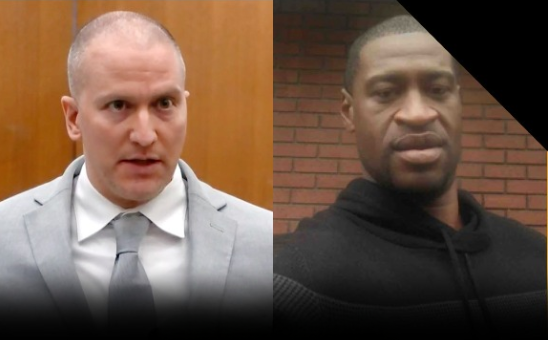
Derek Chauvin has filed a request for a new trial related to his conviction in the death of George Floyd, reopening a case that has had a profound impact on public discourse, the justice system, and conversations around policing in the United States. Chauvin was previously found guilty for his role in Floyd’s death, a case that sparked global protests and renewed scrutiny of law enforcement practices.
The appeal centers on arguments raised by Chauvin’s legal team regarding medical testimony presented during the trial. According to court filings, the defense is pointing to conclusions made by Dr. Andrew Baker, the former chief medical examiner involved in the autopsy. Dr. Baker determined that George Floyd died from “cardiopulmonary arrest,” a term describing the failure of the heart and lungs to function properly. His findings stated that there were no physical signs typically associated with death by asphyxia.
This medical conclusion has been a point of contention since the trial. While Dr. Baker’s report did not list asphyxiation as the official cause of death, it did acknowledge that law enforcement restraint was a contributing factor. Prosecutors argued that the restraint applied by Chauvin directly led to Floyd’s cardiopulmonary arrest, even in the absence of classic signs of asphyxia. The jury ultimately agreed with that interpretation when delivering its verdict.
Other medical experts who testified during the trial offered differing perspectives. Some doctors stated that, based on the widely viewed video footage and the circumstances surrounding Floyd’s final moments, the manner of restraint restricted his ability to breathe. These experts argued that asphyxia could still occur without leaving obvious physical markers, particularly when pressure is applied over an extended period. Their testimony played a significant role in shaping the prosecution’s case.
Chauvin’s appeal argues that conflicting medical opinions created reasonable doubt that should warrant a new trial. His legal team maintains that the jury should have given greater weight to Dr. Baker’s conclusions and that the presence of differing expert opinions undermines the certainty of the conviction. Appeals such as this are a standard part of the legal process, particularly in high-profile cases involving complex evidence.
The request for a new trial does not mean the conviction has been overturned. It initiates a legal review in which courts will examine whether any procedural errors, evidentiary issues, or legal missteps occurred that could have affected the outcome of the original trial. These reviews can take significant time and do not guarantee any change in the verdict.
The case of George Floyd’s death remains deeply emotional for many people, particularly for his family and communities who viewed the conviction as a measure of accountability. Floyd’s death became a symbol of broader concerns about police use of force and systemic inequality, leading to policy discussions and reforms in various jurisdictions. Any renewed legal action naturally brings those emotions and conversations back into focus.
Legal experts note that appeals are not uncommon in criminal cases, especially those involving extensive public attention. However, the threshold for granting a new trial is high. Courts typically require clear evidence that legal errors significantly affected the fairness of the original proceedings.
As the appeal moves forward, public reaction remains divided. Some view the request as a legal right within the justice system, while others see it as reopening a painful chapter that many believed had reached a measure of closure. Regardless of outcome, the case continues to underscore the lasting impact of George Floyd’s death and the ongoing national conversation about justice, accountability, and reform.