 BM News Feed
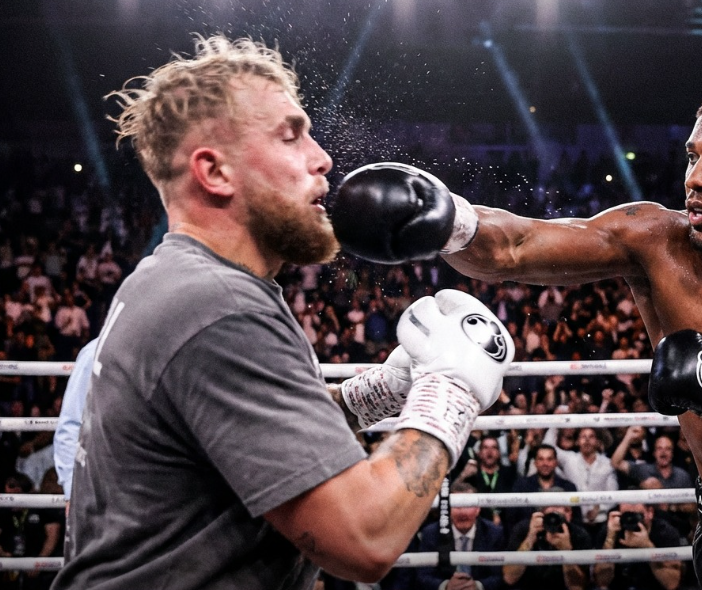
Jake Paul recently shared his frustration regarding a situation involving Anthony, offering his perspective on how events unfolded and why he felt disappointed by the way communication broke down. In his remarks, Paul suggested that what could have been handled through a straightforward, honest conversation instead turned into something unnecessary and avoidable.
According to Jake, the core issue was a lack of direct communication. He implied that a simple, face-to-face discussion could have resolved misunderstandings or clarified intentions. From his point of view, avoiding that opportunity created confusion and escalated tensions that did not need to exist in the first place.
Jake expressed that he felt blindsided by what happened next. Rather than addressing concerns openly, he believes Anthony chose a different route—one that strayed from what had been expected or agreed upon. For Jake, this unexpected shift felt like a departure from professionalism and mutual respect, especially in a space where clear communication is essential.
He also spoke about accountability, emphasizing that difficult conversations are often necessary for growth. In his view, facing issues head-on shows maturity and confidence, while avoiding them can leave problems unresolved. Jake suggested that situations like this highlight the importance of standing by one’s words and being willing to engage honestly, even when discussions are uncomfortable.
The situation, as Jake described it, reflects a broader challenge many people experience in both personal and professional relationships. When communication breaks down, assumptions can take over, and trust can weaken. Jake’s comments suggest that he values transparency and believes it is the foundation of any productive interaction, especially when expectations are involved.
Rather than focusing solely on blame, Jake’s remarks also hinted at disappointment. He seemed less angry and more frustrated that the opportunity for a respectful exchange was missed. For him, the issue was not just the action itself, but the lack of willingness to engage directly and responsibly.
Public figures often face heightened scrutiny when conflicts arise, and statements like these quickly become part of larger conversations online. Jake’s comments sparked reactions from supporters and critics alike, with some agreeing that open dialogue is essential, while others questioned whether all sides had equal responsibility to communicate effectively.
Despite the tension reflected in his words, Jake’s message underscored a belief in straightforwardness and personal responsibility. He appeared to be advocating for clearer communication standards, especially in situations where expectations and reputations are involved. His remarks suggest a desire for interactions rooted in honesty rather than avoidance.
Ultimately, Jake Paul’s statement served as a reflection on communication, accountability, and how conflicts are handled. While emotions were clearly involved, the underlying message centered on the importance of addressing issues directly and respectfully. In any setting, he implied, choosing open conversation over avoidance can prevent misunderstandings and lead to better outcomes for everyone involved.