 BM News Feed
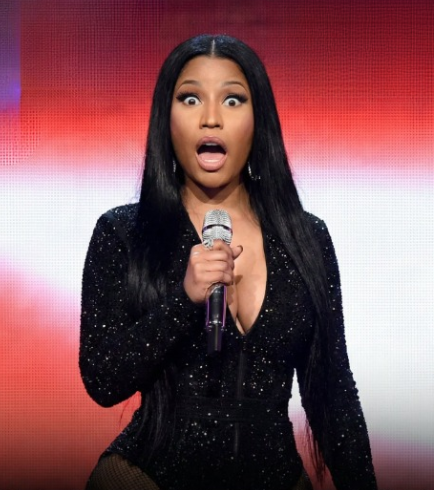
A controversial petition calling for the deportation of Nicki Minaj has begun trending across social media platforms, quickly becoming a major topic of online discussion. What started as a niche action has now drawn widespread attention, with thousands of people weighing in, sharing opinions, and debating its intent, impact, and legitimacy. As the petition gains traction, it has sparked strong reactions from supporters, critics, and casual observers alike.
The petition alleges that Nicki Minaj poses a threat to individuals she has publicly criticized and, by extension, to the broader community. Those behind it argue that her influence and online behavior warrant serious concern. Supporters of the petition claim they are motivated by accountability and safety, framing their stance as a response to what they see as harmful rhetoric and misuse of power. For them, the petition represents a symbolic stand rather than a guaranteed outcome.
On the other side, many fans and commentators have dismissed the petition as unrealistic and rooted more in outrage than in legal reality. Critics argue that deportation is a serious legal matter that cannot be driven by internet petitions or public emotion. They view the movement as an example of how quickly online backlash can escalate into extreme demands without fully understanding the legal, social, or cultural implications involved.
The situation has also reopened conversations about cancel culture and its limits. Some believe the petition reflects a growing tendency to respond to controversy with calls for removal rather than dialogue or due process. Others counter that public figures should be held to higher standards because of their reach and influence, and that strong reactions are sometimes the only way people feel heard.
As the topic spread, social media timelines became divided. Some users expressed frustration, questioning why energy is being spent on petitions rather than more constructive forms of accountability. Others defended the right to protest in any form, arguing that petitions, even symbolic ones, are a way for people to express collective disapproval and bring attention to concerns they feel are ignored.
Legal experts and commentators have also weighed in, clarifying that deportation decisions are based on immigration law and government authority, not public opinion or online trends. This has led some to view the petition as more of a statement or protest than a realistic action. Still, the fact that it gained so much attention highlights the power of social media to amplify ideas rapidly, regardless of feasibility.
The controversy has further intensified discussions about identity, nationality, and belonging. Nicki Minaj, who has long embraced her Caribbean roots while being a major figure in American pop culture, represents a complex intersection of global identity. For many fans, the petition feels personal and unsettling, raising questions about who gets to decide where someone belongs and why.
Meanwhile, others see the situation as part of a larger pattern in celebrity culture, where public figures are constantly scrutinized and judged not only for their work, but for their opinions, associations, and online behavior. In this environment, controversy can quickly snowball into movements that take on a life of their own.
As the petition continues to trend, it remains unclear how long the conversation will last or what lasting impact it will have. What is clear, however, is that it has sparked intense debate about accountability, free expression, and the role of social media in shaping public opinion. Whether viewed as a serious call to action or an example of internet excess, the situation underscores how quickly discourse can escalate in the digital age—and how divided public reactions can be when culture, celebrity, and controversy collide.