
 BM News Feed
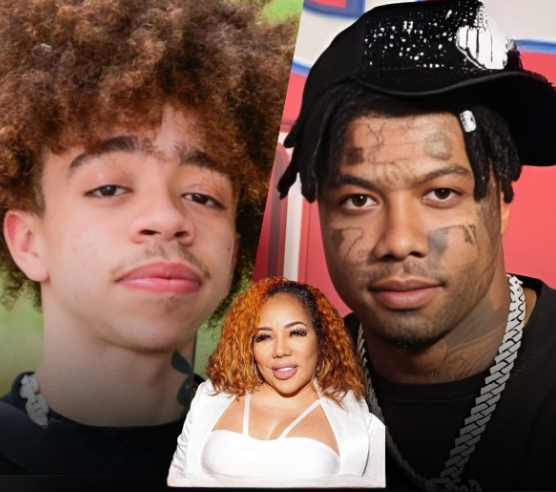
Blueface recently sparked online conversation after making comments about King Harris, son of T.I. and Tiny Harris, comparing his appearance to that of his mother. The remarks quickly circulated on social media, drawing attention not only because of who was involved, but also because of the broader issues they touched on, including respect, masculinity, and the impact of public commentary on young people in the spotlight.
The exchange became a talking point as many observers felt the comments crossed into unnecessary personal criticism. Rather than focusing on music, growth, or achievements, the discussion shifted toward physical appearance and identity. This kind of commentary often invites strong reactions because it places individuals under scrutiny for traits they did not choose, reinforcing narrow ideas about how someone is “supposed” to look or sound.
King Harris, who has grown up in the public eye, has been open about navigating life as the child of famous parents while carving out his own identity. Like many young adults today, he represents a generation that is redefining self-expression and rejecting rigid expectations. Moments like this highlight how public figures can become targets of commentary that goes beyond fair critique and into personal territory.
Many people online pushed back against the remarks, pointing out that comparing someone unfavorably to their parent, especially in a public forum, can feel dismissive and disrespectful. Others noted that masculinity and maturity are not defined by physical traits, voice, or appearance, but by character, responsibility, and how a person treats others. The situation opened a wider conversation about how outdated standards are often used to judge young men unfairly.
Supporters of King Harris emphasized that looking like a parent is natural and often celebrated, not something to be mocked. They also highlighted that individuality comes in many forms, and that confidence, creativity, and personal growth matter far more than fitting into a specific image. For many, the exchange served as a reminder of how easily social media can amplify negativity when empathy is missing.
The moment also sparked discussion about accountability among public figures. With large platforms comes influence, and words can shape narratives quickly. Many fans expressed that disagreements or jokes should not come at the expense of someone’s dignity, especially when the comments can affect how others perceive or treat them. Respectful dialogue, they argued, is always more impactful than personal attacks.
In the end, the situation became less about the individuals involved and more about the culture surrounding online interactions. It highlighted how quickly commentary can escalate and how important it is to approach conversations with care and awareness. Public discourse carries weight, and moments like this remind everyone that words matter, especially when shared with millions.
As conversations continue to evolve online, many hope that situations like this encourage more thoughtful engagement. Criticism can exist without being personal, and humor does not have to come at someone else’s expense. Ultimately, the focus remains on growth, respect, and allowing people the space to define themselves on their own terms.