
 BM News Feed
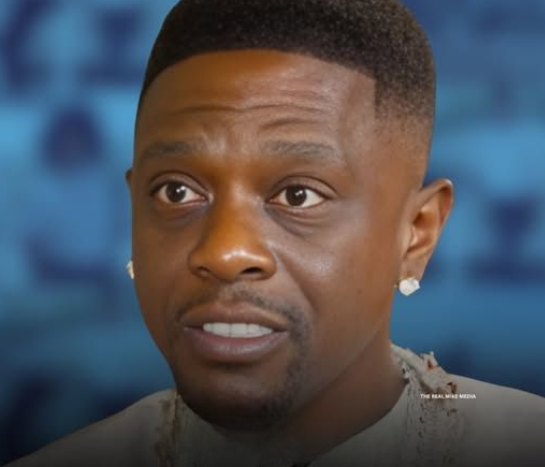
Boosie recently shared an opinion suggesting that Black men tend to have a particular preference or “type” when it comes to dating white women. His statement quickly sparked conversation online, drawing attention from supporters, critics, and casual observers alike. As with many comments made by public figures, the remark opened the door to broader discussions about dating preferences, cultural perceptions, and how personal opinions can influence public dialogue.
Some people who engaged with the statement interpreted it as an observation based on trends Boosie believes he has seen over time. From this perspective, the comment was viewed not as a rule, but as a reflection of patterns he feels are visible in certain social or media spaces. Supporters of this view argue that people naturally develop preferences shaped by environment, exposure, and personal experiences, and that discussing those preferences can sometimes lead to honest conversations about attraction and identity.
Others, however, raised concerns about generalization. They emphasized that Black men, like all individuals, are not a monolithic group and cannot be accurately described by a single dating preference. Critics pointed out that framing attraction in broad racial terms risks reinforcing stereotypes and oversimplifying complex human relationships. For many, the issue was less about personal preference and more about how such statements can unintentionally shape narratives about entire communities.
The discussion also highlighted how conversations about interracial dating often carry additional cultural weight. Relationships that cross racial lines can be influenced by social expectations, historical context, and public scrutiny in ways that same-race relationships may not be. Because of this, statements about interracial attraction can quickly become charged, even when they are framed as personal opinions rather than factual claims.
Another layer of the conversation focused on how media and popular culture influence perceptions of beauty and attraction. Some commentators noted that repeated images and narratives in music, television, and social media can create the illusion of trends that may not reflect real-life diversity. Others argued that while media influence is powerful, individual choice remains deeply personal and varies widely from person to person.
Ultimately, Boosie’s comment served as a catalyst for a larger conversation about individuality, representation, and respect. Many people emphasized the importance of allowing individuals to define their own preferences without projecting those choices onto an entire group. Healthy discussions about attraction, they argued, should leave room for nuance and avoid reducing people to categories or assumptions.
The reaction to this statement reflects a broader truth about public discourse: when influential figures speak, their words often extend beyond personal opinion and shape wider conversations. This moment encouraged many to reflect on how attraction is discussed publicly and the responsibility that comes with framing those discussions thoughtfully.
In the end, the conversation underscores that attraction and relationships are deeply personal experiences. While people may observe patterns or trends, it is essential to approach such topics with care, openness, and respect for individual differences. Meaningful dialogue thrives not on assumptions, but on understanding the diversity of human experiences and perspectives.