
 BM News Feed
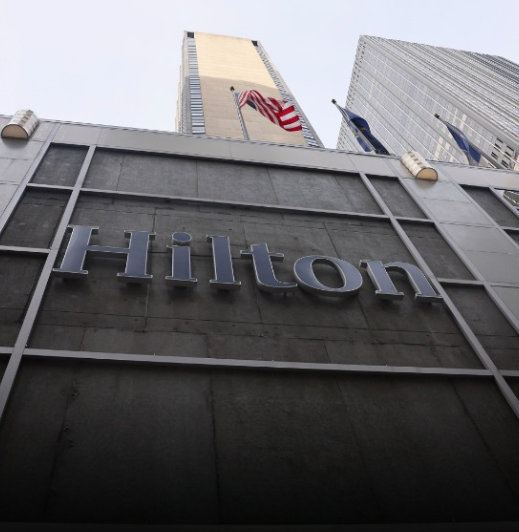
Hilton has reportedly taken decisive action by officially ending its association with a Minnesota hotel that recently became the focus of intense public scrutiny. The property found itself at the center of controversy following allegations connected to Immigration and Customs Enforcement (ICE), prompting widespread discussion across social media and news outlets. Hilton’s move has drawn significant attention, as it signals a response to the growing concerns surrounding the situation.
According to reports, the hotel became embroiled in what many described as a public firestorm after claims surfaced regarding its involvement in activities linked to ICE operations. As the story gained traction, activists, community members, and observers began questioning the hotel’s role and responsibilities. The heightened attention placed pressure on corporate leadership to clarify its position and take appropriate action.
Hilton’s decision to “pull the keycard,” effectively cutting ties with the Minnesota property, has been interpreted by many as an effort to distance the brand from the controversy. Large hospitality companies often operate through franchising agreements, which allow individual hotels to carry the brand name while being independently owned. In situations where a property’s actions conflict with company standards or values, corporate entities may choose to terminate those agreements to protect brand integrity.
The situation has sparked broader conversations about corporate accountability and the role businesses play in social and political matters. For some, Hilton’s action represents a clear stance, demonstrating responsiveness to public concern. Others view it as part of a growing trend in which corporations must navigate increasingly complex social issues while balancing legal obligations, brand reputation, and public expectations.
Community response has been mixed. Advocacy groups critical of ICE involvement have welcomed the move, seeing it as validation of their concerns and a step toward greater transparency. Meanwhile, others have emphasized the importance of due process, urging the public to rely on verified information rather than speculation. The incident highlights how quickly local situations can escalate into national conversations in the digital age.
The controversy has also drawn attention to the hospitality industry’s intersection with government agencies. Hotels frequently cooperate with law enforcement as required by law, but the boundaries of that cooperation can become contentious when immigration enforcement is involved. This case has reignited debates about ethical responsibility, legal compliance, and the expectations placed on private businesses during government operations.
As of now, Hilton has not released extensive public commentary beyond confirming the separation from the property. Observers note that such decisions are often made after internal reviews and assessments of contractual obligations. The lack of detailed statements has left room for ongoing discussion, though the company’s action itself has sent a clear message to the public.
Ultimately, the situation underscores the challenges faced by major brands operating in highly charged social environments. Corporate decisions are increasingly scrutinized not only for their business impact, but also for their social implications. Hilton’s move reflects how companies may respond when controversy threatens to overshadow their broader mission and values.
As conversations continue, many are watching closely to see how similar situations are handled in the future. The incident serves as a reminder of the complex relationship between corporations, communities, and government agencies, and how quickly public trust can be tested when those relationships come into question.