
 BM News Feed
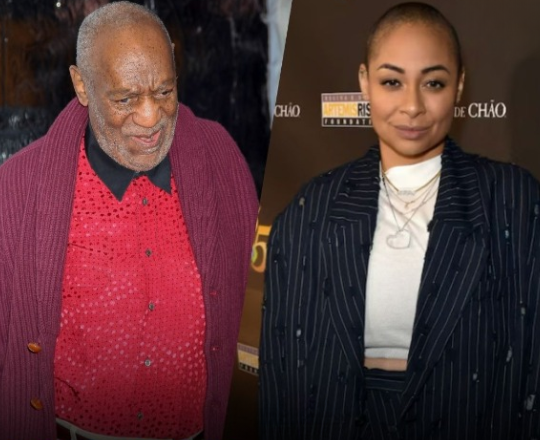
Raven-Symoné has shared her perspective on the ongoing debate surrounding how society views the legacy of Bill Cosby, suggesting that people should distinguish between an individual’s professional contributions and their personal actions. Her comments have sparked discussion, particularly because of the complexity and emotional weight surrounding the allegations connected to Cosby.
In her remarks, Raven-Symoné acknowledged the seriousness of the accusations that have been made against Cosby, describing them as deeply disturbing and impossible to ignore. She emphasized that recognizing his professional impact does not excuse or justify any alleged personal wrongdoing. Instead, she suggested that people can hold space for both realities at the same time without conflating them into a single narrative.
Raven-Symoné explained that, from her perspective, Cosby’s personal life and his work in entertainment exist in separate categories. While his personal actions have been the subject of intense scrutiny and condemnation, his professional career—particularly his influence on television and representation—remains a distinct part of cultural history. She clarified that acknowledging his work does not mean minimizing harm or dismissing accountability.
Her comments appear rooted in a broader conversation about how society evaluates artists, public figures, and historical legacies. Many people struggle with how to engage with art or achievements created by individuals who are later accused of serious misconduct. Raven-Symoné’s viewpoint adds to this debate by suggesting that separation, rather than erasure or blind admiration, may be one way people choose to process complicated truths.
The topic has drawn mixed reactions. Some agree with her stance, believing it is possible to recognize professional accomplishments while still condemning harmful behavior. Others strongly disagree, arguing that personal actions cannot be separated from public influence, especially when the individual held power and cultural authority. These differing reactions reflect how personal values shape the way people interpret accountability and legacy.
Raven-Symoné has previously spoken about navigating difficult conversations in the public eye, often encouraging dialogue rather than silence. In this case, her remarks do not aim to defend Cosby’s alleged behavior, but instead to express how she personally processes the distinction between work and character. She made it clear that acknowledging professional contributions should never be used as a shield against responsibility.
This discussion also highlights the evolving standards society applies to public figures. As awareness around accountability grows, many people are reassessing how they consume media, celebrate achievements, and address uncomfortable histories. There is no universal agreement on the “right” approach, which makes conversations like this both challenging and necessary.
Ultimately, Raven-Symoné’s comments underscore the complexity of separating art from the artist. Her perspective invites people to think critically about how they engage with cultural history while remaining mindful of harm, responsibility, and empathy for those affected.
As conversations continue, her remarks serve as a reminder that these issues rarely exist in black-and-white terms. They require nuance, reflection, and a willingness to listen to multiple viewpoints while centering accountability and compassion.