
 BM News Feed
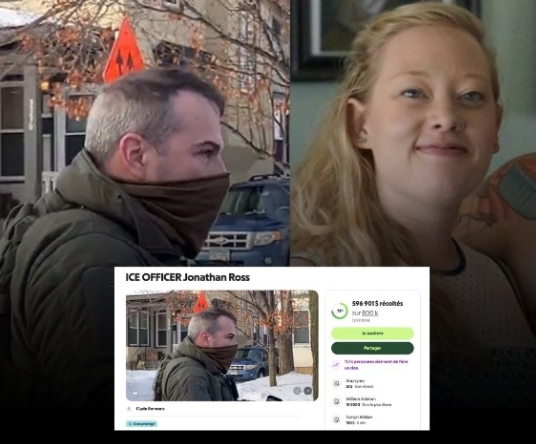
A GoFundMe campaign created in support of the ICE agent involved in the death of Renee Good has sparked widespread attention and controversy after reportedly raising nearly $600,000 in donations. The fundraiser has drawn strong reactions across social media, reigniting emotional debates about justice, accountability, and the role of public fundraising in high-profile cases involving loss of life.
The campaign was reportedly launched by a private individual who stated that the goal was to support the agent amid legal and personal challenges following the incident. According to the fundraiser’s description, supporters believe the agent deserves assistance while investigations continue. The rapid pace at which donations accumulated has surprised many observers and added to the intensity of the public response.
For many people, the existence and success of the fundraiser feel deeply troubling. Critics argue that raising large sums of money for someone involved in a fatal incident is insensitive, particularly while a family is grieving the loss of a loved one. They see the campaign as an example of how deeply divided public opinion can be when law enforcement actions result in death, especially when federal agencies are involved.
Supporters of the fundraiser, however, frame their contributions differently. They argue that donating does not necessarily mean celebrating loss or harm, but rather expressing belief in due process and the right to legal defense. Some donors say they are withholding judgment until all investigations are complete and see financial support as a way to ensure fairness within the legal system.
The situation has also raised broader questions about online fundraising platforms and their responsibilities. When emotionally charged incidents occur, crowdfunding sites often become battlegrounds for public opinion. Campaigns tied to tragedy can quickly attract large sums of money, sometimes before all facts are known, creating ethical dilemmas about what kinds of fundraisers should be allowed and how they should be regulated.
At the same time, the focus on the fundraiser has reopened conversations about Renee Good’s life and the impact of her death on her family and community. Many people have emphasized that amid debates, it is important not to lose sight of the human loss at the center of the story. Loved ones continue to mourn, and community members are still seeking healing and clarity.
The contrast between support for the agent and sympathy for Good’s family highlights the emotional complexity surrounding cases like this. Public reactions often reflect deeper beliefs about law enforcement, accountability, race, immigration policy, and trust in institutions. As a result, discussions frequently extend far beyond the specific incident itself.
As investigations continue, emotions remain high on all sides. Some are calling for transparency and patience, while others demand immediate accountability. The fundraiser’s growth has become a symbol of how divided perspectives can be in moments of national attention and grief.
Ultimately, the situation serves as a reminder of how quickly tragedy can become politicized in the digital age. Crowdfunding platforms, social media, and viral headlines can amplify reactions, sometimes making it harder for communities to process loss with empathy and balance.
While opinions remain sharply divided, many voices are urging a more thoughtful conversation—one that centers compassion, respects due process, and acknowledges the profound human cost behind the headlines.