
 BM News Feed
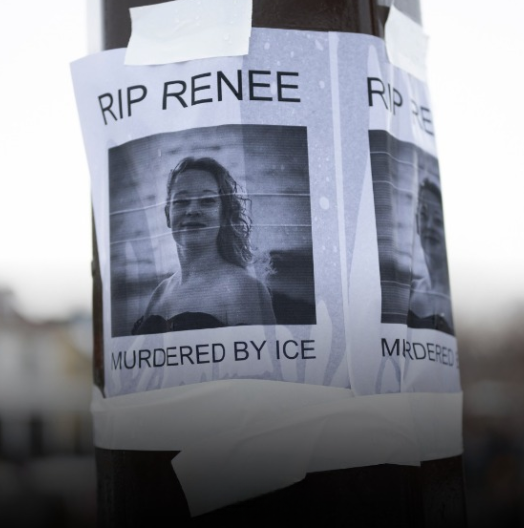
New details have emerged following last week’s fatal shooting of Renee Good, with reports indicating that the ICE agent involved in the incident also sustained serious injuries during the confrontation. Authorities have stated that the agent suffered internal bleeding, adding another layer of complexity to an already deeply sensitive and emotionally charged case.
According to information released by officials, the internal injuries were linked to the physical encounter that occurred just before the shooting. While the full extent of the agent’s condition has not been publicly detailed, the acknowledgment of internal bleeding has become a focal point in discussions surrounding what transpired during the encounter.
The revelation has intensified public debate, as many people attempt to understand the sequence of events leading up to the tragic loss of life. Some view the injury as evidence that the confrontation was physically serious, while others emphasize that the presence of injuries does not diminish the gravity of Renee Good’s death or the need for accountability and transparency.
Renee Good’s passing has already sparked widespread outrage, grief, and calls for justice. Community members and advocates continue to stress that the primary focus should remain on the life that was lost and the impact her death has had on her family and loved ones. For many, the discussion of the agent’s injuries must not overshadow the profound human cost of the incident.
At the same time, others argue that understanding all aspects of the encounter—including injuries sustained by those involved—is necessary for a full and fair investigation. They believe that examining every detail is essential to determining responsibility and ensuring that conclusions are based on facts rather than assumptions or emotions.
The case has also highlighted broader tensions surrounding federal law enforcement actions and public trust. Incidents involving use of force often prompt polarized reactions, with deeply held beliefs shaping how people interpret new information. As updates continue to emerge, emotions remain high on all sides, making calm and measured discussion difficult.
Investigators are continuing to review evidence, including witness accounts and available footage, to piece together a clear timeline of events. Officials have stated that multiple agencies are involved in reviewing the incident, signaling that the process may take time before definitive conclusions are reached.
Meanwhile, Renee Good’s community continues to mourn. Vigils, public statements, and expressions of solidarity reflect the depth of pain felt by those who knew her or were affected by her story. Many have emphasized the importance of compassion, urging the public to remember that real people are at the center of the headlines.
The situation has also renewed conversations about how incidents like this are discussed online. With information spreading rapidly, partial details can quickly shape public opinion before full investigations are complete. Observers are urging caution, patience, and respect for those impacted as facts continue to emerge.
As the investigation moves forward, many are calling for transparency and accountability, while also recognizing the emotional weight carried by everyone involved. The acknowledgment of the agent’s injuries adds context to the incident but does not lessen the tragedy of a life lost.
Ultimately, the case remains under active review, and the public is awaiting clearer answers. Until then, the focus for many remains on honoring Renee Good’s life, supporting her loved ones, and seeking truth and justice through a thorough and fair process.