 BM News Feed
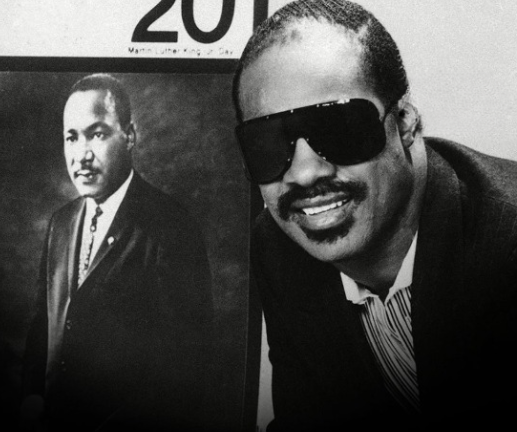
🎊 Happy Martin Luther King Jr. Day!
Today is a powerful reminder of the life, legacy, and enduring influence of Dr. Martin Luther King Jr., a leader whose vision for justice, equality, and unity continues to shape generations. MLK Day is not only a moment to reflect on history, but also an opportunity to recognize the many individuals who helped ensure that Dr. King’s contributions would be formally honored and remembered nationwide.
One surprising and inspiring part of that journey involves legendary musician Stevie Wonder. Many people know his song “Happy Birthday” as a joyful anthem played at celebrations around the world, but few realize that it was originally written with a much deeper purpose. The song was not just meant to celebrate life—it was a strategic and heartfelt tool used to advocate for social change.
In the late 1970s and early 1980s, there was still significant resistance to making Dr. Martin Luther King Jr.’s birthday a national holiday. Stevie Wonder, deeply influenced by Dr. King’s legacy and message, believed that honoring him officially was essential. In response, he used his platform, creativity, and influence to help rally public support through music. “Happy Birthday” became the soundtrack of a movement.
Stevie Wonder didn’t stop at releasing the song. He actively campaigned across the country, performing at rallies, speaking publicly, and encouraging people to sign petitions in support of the holiday. The song’s upbeat melody carried a serious message: Dr. King’s life and work deserved national recognition. Music became a bridge—connecting activism with mainstream culture in a way that was accessible, emotional, and unifying.
The impact was undeniable. The song gained massive popularity and helped shift public opinion. It brought the conversation into homes, schools, and communities that might not have otherwise engaged in the political process. Through this cultural momentum, pressure mounted on lawmakers to take action.
Finally, in 1983, after years of advocacy and public support, President Ronald Reagan signed legislation officially establishing Martin Luther King Jr. Day as a federal holiday. It was a historic victory—not only for Dr. King’s legacy, but for the power of collective action, creativity, and perseverance. Stevie Wonder’s role remains one of the most compelling examples of how art can drive real-world change.
Today, as we celebrate MLK Day, it’s worth remembering that progress often comes from unexpected places. A song played at birthday parties around the world also helped secure a permanent place in history for one of the greatest leaders of all time.
Dr. Martin Luther King Jr.’s dream lives on through education, reflection, service, and unity. And thanks to voices like Stevie Wonder’s, that dream was given a national moment of remembrance—one that continues to inspire hope, courage, and responsibility for generations to come.