
 BM News Feed
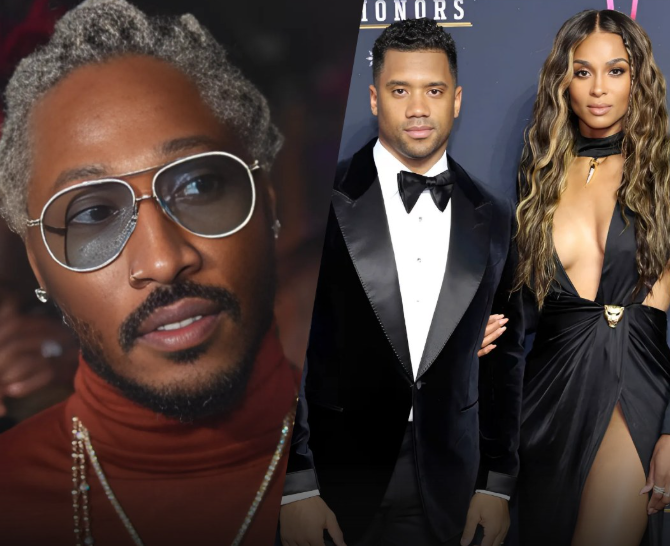
Recent comments involving rapper Future and NFL quarterback Russell Wilson have sparked strong reactions online, opening up a broader conversation about masculinity, respect, and public discourse. According to circulating reports, Future made remarks suggesting that Russell Wilson does not meet his personal definition of manhood. While statements like this often gain traction because of the high-profile individuals involved, they also raise important questions about how masculinity is defined and discussed in today’s culture.
At the center of the discussion is Russell Wilson, a Super Bowl–winning quarterback known not only for his achievements on the field but also for his public image off the field. Wilson is often described as disciplined, family-oriented, and intentional about how he presents himself. His approach to relationships, fatherhood, and faith has earned him admiration from many, while also making him a target for criticism from others who hold different views about what it means to be a man.
Future, on the other hand, is an influential artist whose music and public persona often reflect themes of independence, toughness, and emotional distance. His worldview, shaped by personal experiences and artistic expression, resonates with a large audience. When someone with such influence shares an opinion about another public figure, it naturally becomes part of a larger cultural conversation — even if the comment itself is brief or informal.
What stands out most is how quickly debates about masculinity turn into comparisons and judgments. Ideas of manhood vary widely depending on background, values, culture, and personal experience. For some, masculinity is tied to emotional restraint and dominance; for others, it is defined by responsibility, consistency, and emotional availability. Neither perspective is universally correct, yet public discussions often frame one model as superior to another.
Russell Wilson’s life choices — particularly his commitment to his family and his supportive role as a husband and father — challenge traditional stereotypes that equate masculinity solely with aggression or detachment. Many people see his behavior as a sign of maturity and confidence, arguing that true strength is shown through stability, respect, and self-control. Others, however, may view those same traits through a different lens, shaped by their own experiences and expectations.
This moment also highlights how celebrity commentary can influence public perception. When well-known figures express personal opinions, those views can reinforce existing biases or spark unnecessary division. Rather than encouraging understanding, such remarks sometimes reduce complex individuals to simplistic labels, overlooking the nuance of real human behavior.
Social media reactions to the situation have been mixed. Some users defended Russell Wilson, praising his character and pointing to his professional success and personal integrity. Others sided with Future’s perspective, arguing that masculinity looks different in different environments. Still, many questioned why public figures feel compelled to measure each other against narrow standards in the first place.
Ultimately, this discussion is less about two celebrities and more about how society defines and debates manhood. Masculinity is not a single mold that everyone must fit into. It evolves over time and is shaped by personal growth, values, and accountability. Respecting those differences allows for healthier conversations and a more inclusive understanding of identity.
In the end, opinions will always differ, especially in the public eye. What matters most is recognizing that strength and manhood can take many forms — and that no one individual gets to set the standard for everyone else.