
 BM News Feed
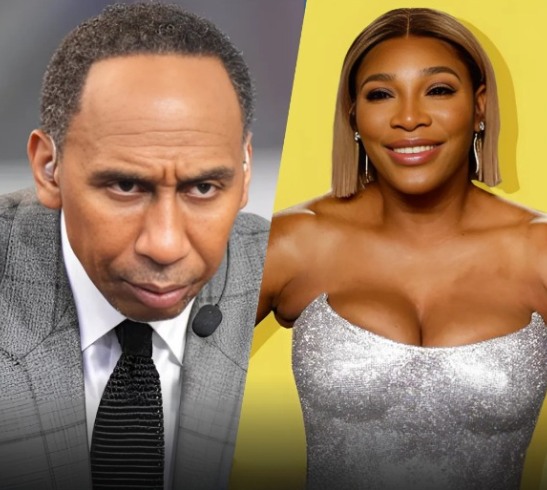
Stephen A. Smith recently sparked widespread discussion after making comments suggesting that tennis legend Serena Williams had shown disrespect toward her husband. His remarks quickly caught public attention, igniting debate across social media platforms and sports commentary circles. What began as a brief opinion soon turned into a larger conversation about relationships, public behavior, and the expectations placed on high-profile women.
According to Smith, his perspective was rooted in traditional ideas about marriage and public conduct. He implied that certain actions or expressions by Serena Williams crossed an unspoken boundary of spousal respect. However, many listeners felt his interpretation was narrow and disconnected from modern views on partnerships, where mutual support, individuality, and personal expression are valued rather than restricted.
Fans and commentators were quick to push back, arguing that Serena Williams has consistently demonstrated commitment and respect toward her husband throughout their relationship. Supporters highlighted that a healthy marriage does not require constant public conformity or silence, especially when both partners are confident, successful, and secure in themselves. To them, Smith’s comments reflected outdated assumptions rather than an accurate understanding of the couple’s dynamic.
A major point of criticism centered on the idea of “public policing,” where women—particularly accomplished women—are scrutinized more harshly for their behavior than men. Many felt that Serena’s actions were unfairly framed as problematic simply because they did not align with traditional expectations. This, critics argued, reinforces double standards that limit women’s freedom to express emotion, pride, or independence.
Others noted that Serena Williams’ legacy extends far beyond her personal life. As one of the greatest athletes of all time, she has broken barriers, challenged stereotypes, and redefined what excellence looks like in professional sports. For many fans, reducing her public image to a question of marital etiquette diminishes her achievements and overlooks the broader impact she has had on culture and athletics.
The controversy also opened up a wider discussion about who gets to define respect within a marriage. Many pointed out that only the individuals in the relationship truly understand their boundaries and values. External judgments, especially from public figures, can come across as intrusive and dismissive of personal autonomy.
While some defended Smith’s right to voice his opinion, even they acknowledged that the tone and framing of his remarks could have been more thoughtful. In today’s media landscape, commentators wield significant influence, and their words can shape narratives in ways that extend beyond their original intent.
Ultimately, the debate highlights a shift in societal attitudes. More people are pushing back against rigid expectations and advocating for respect that includes individuality, equality, and context. For Serena Williams’ supporters, the issue is not just about one comment, but about affirming a woman’s right to live authentically—without being judged through outdated lenses.
As the conversation continues, it serves as a reminder that public discourse benefits from nuance, empathy, and an understanding that modern relationships do not fit into one narrow definition.