
 BM News Feed
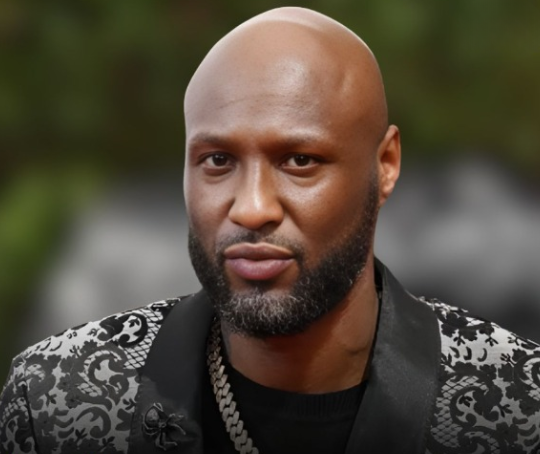
Former NBA star Lamar Odom has recently made comments about his past personal life that have drawn significant attention and sparked wide discussion. In reflecting on earlier years, Odom described a lifestyle marked by excess, impulsive decisions, and a lack of emotional stability. His remarks were framed as part of a broader conversation about regret, accountability, and the long-term consequences of choices made without reflection.
Odom stated that during the height of his career, he lived without clear boundaries or a strong sense of responsibility. He portrayed this period as one driven by fame, access, and a distorted understanding of fulfillment. Rather than presenting these experiences as something to celebrate, his comments suggested a recognition of how unhealthy and unsustainable that way of living ultimately was.
As part of his reflection, Odom acknowledged that many of his past relationships were brief and lacking emotional connection. He indicated that the absence of structure and self-discipline in his life contributed to repeated situations that required serious and often painful decisions. These moments, he implied, were handled without the maturity or care they deserved at the time.
The former athlete’s comments also touched on the emotional weight of those experiences. He suggested that while money and status made it easier to avoid immediate consequences, they did not protect him from long-term emotional impact. Over time, unresolved guilt, regret, and personal loss accumulated, contributing to deeper struggles with mental health and substance dependency.
Odom’s reflections have led many listeners to interpret his statements as a cautionary account rather than a boast. Some see his openness as an attempt to be honest about the darker side of fame, particularly how wealth and attention can amplify destructive behavior when someone lacks strong support systems or self-awareness. From this perspective, his story serves as a warning about confusing excess with happiness.
Public reaction to his remarks has been mixed. Some people believe that sharing such personal experiences can help shed light on the importance of responsibility, respect, and emotional maturity in relationships. Others feel uncomfortable with the way these topics were discussed, arguing that sensitive matters should be approached with greater care and empathy for everyone involved.
In recent years, Odom has spoken more frequently about recovery, healing, and personal growth. He has emphasized that he no longer identifies with the person he was during that period of his life. His focus now appears to be on self-improvement, accountability, and using his experiences as lessons rather than defining achievements.
The conversation surrounding Odom’s statements has also opened a broader dialogue about how society discusses fame, masculinity, and personal responsibility. It raises questions about how public figures talk about their past and the impact those narratives can have on audiences, especially younger listeners who may still be forming their values.
Ultimately, Lamar Odom’s remarks reflect a complicated and painful chapter of his life that he now views through a lens of hindsight and regret. Rather than glorifying the past, his words point toward the importance of growth, self-awareness, and learning from mistakes. His story underscores the reality that unchecked behavior often carries lasting consequences, and that true progress comes from confronting those truths and choosing a healthier path forward.