
 BM News Feed
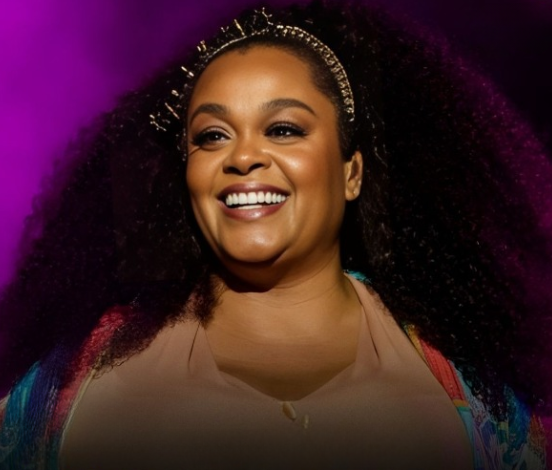
Jill Scott recently shared a striking and emotionally charged reflection on love, connection, and personal safety that resonated deeply with many listeners. Her statement suggested that love is not just a feeling, but a fundamental human experience that shapes how people interact with others. By emphasizing the importance of having been loved, she highlighted how emotional foundations influence behavior, empathy, and the ability to form healthy relationships.
At the heart of her message is the idea that love teaches people how to relate to others in meaningful ways. Being loved often provides lessons in compassion, patience, vulnerability, and accountability. These experiences help individuals understand emotional boundaries and recognize the impact of their actions. Without this grounding, relationships can feel unstable or disconnected, making it difficult to build trust or mutual understanding.
Scott’s words also speak to the challenges that arise when two people cannot relate on such a basic emotional level. When one person has experienced love and the other has not, there may be a gap in emotional language. This gap can lead to misunderstandings, unmet expectations, or patterns rooted in fear and insecurity rather than openness. In that sense, her statement is less about judgment and more about recognizing incompatibility at a core emotional level.
The use of the phrase “dangerous to me” has sparked particular discussion. Many interpret it not as an accusation, but as an act of self-protection. Emotional danger does not necessarily mean intentional harm; it can also refer to the slow erosion of well-being that occurs when someone is unable to give or receive love in healthy ways. Scott’s words underscore the right to establish boundaries that protect one’s emotional health and sense of peace.
Her message also invites reflection on healing and growth. People who have not experienced love are not beyond connection or change. However, without self-awareness and support, unresolved emotional wounds can affect how they show up in relationships. Scott’s statement encourages honesty about where people are emotionally, rather than entering connections that may cause harm due to unmet emotional needs.
Many listeners connected with her perspective because it reflects lived experience. Those who have loved deeply often recognize the emotional labor required when a partner lacks the capacity to reciprocate. Over time, carrying the weight of both people’s emotional needs can become exhausting and unbalanced. Scott’s words validate the importance of choosing relationships where emotional understanding flows both ways.
Throughout her career, Jill Scott has consistently emphasized self-worth, emotional literacy, and intentional love. Her statement aligns with these long-standing themes, reinforcing the idea that love should feel safe, nourishing, and mutual. Rather than promoting exclusion, her message encourages discernment and self-awareness in choosing who to allow into one’s inner world.
Ultimately, Jill Scott’s reflection reminds us that love is more than something we desire—it is something that shapes how we treat others. Shared emotional understanding creates safer, healthier relationships, while the absence of that foundation can lead to disconnect. Her words encourage people to honor their emotional needs, set thoughtful boundaries, and seek connections rooted in empathy, awareness, and genuine care.