
 BM News Feed
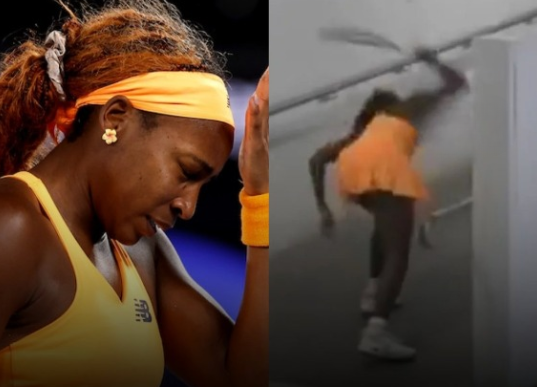
Coco Gauff recently addressed the moment she was caught on camera smashing her racket in the tunnel following her loss at the Australian Open, offering a thoughtful and mature explanation that resonated with fans around the world. While the clip quickly circulated online, Gauff made it clear that her actions were not rooted in disrespect or poor sportsmanship, but rather in an effort to manage intense emotions responsibly.
After the match, Gauff explained that she was feeling a deep sense of disappointment and frustration with her performance. As a fierce competitor who holds herself to a high standard, losses can be emotionally overwhelming, especially on a stage as significant as the Australian Open. She acknowledged that the emotions were real and heavy in that moment, and she needed a private outlet to release them.
Gauff emphasized that her decision to take out her frustration away from the court was intentional. She did not want to direct her emotions toward her coaching team, support staff, or anyone else who had worked hard to help her prepare. In her view, lashing out at people who care about her and support her journey would have been unfair and unproductive. Stepping away allowed her to process those feelings without causing harm to others.
Another important reason Gauff shared was her awareness of the example she sets for young fans. As one of the most visible young athletes in the world, she understands that children look up to her not just for her talent, but for her behavior under pressure. She stated that she did not want kids to see her arguing with officials, teammates, or coaches in public moments of frustration. Choosing a more private release was her way of being mindful of that responsibility.
Gauff also spoke about how difficult it can be to balance authenticity with role-model expectations. She acknowledged that athletes are human beings who experience disappointment, anger, and sadness just like anyone else. Suppressing those emotions entirely is not healthy, but expressing them in a way that minimizes harm is important. Her reaction, while imperfect, was her attempt to strike that balance.
The incident sparked a broader conversation about how athletes are judged for emotional reactions. Many supporters praised Gauff for her honesty and self-awareness, noting that the pressure placed on elite competitors is immense. They highlighted that showing emotion does not diminish professionalism, especially when an athlete takes accountability and explains their mindset afterward.
Gauff’s response also demonstrated maturity beyond her years. Instead of deflecting or dismissing criticism, she addressed the moment head-on and provided context. By doing so, she reframed the narrative from one of anger to one of emotional management and personal growth. Her willingness to reflect publicly showed leadership and emotional intelligence.
Ultimately, Coco Gauff’s explanation reinforced why she is respected both on and off the court. She reminded fans that athletes are allowed to feel deeply, even in moments of defeat. What matters most is how those emotions are handled and what lessons are taken from them.
Through her response, Gauff turned a viral moment into an opportunity for reflection, accountability, and growth. It served as a reminder that resilience is not about never feeling frustration, but about learning how to navigate it with intention, awareness, and care for others.