 BM News Feed
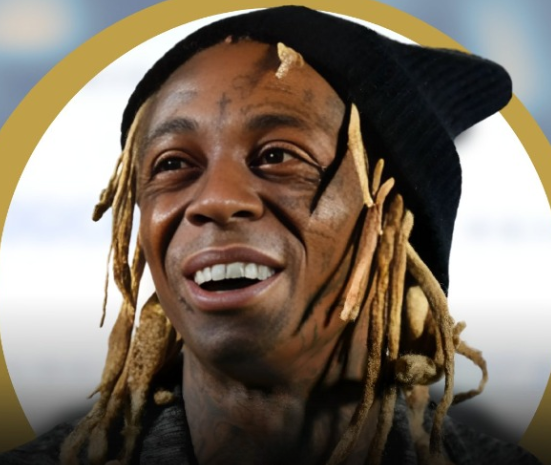
This is deeply saddening and offers a rare, vulnerable glimpse into the personal cost that can come with a long and intense creative career. During a recent interview, Lil Wayne shared that he struggles to remember his own music, including many of the songs and albums that helped define his legacy. For fans who have grown up with his work, the revelation was both surprising and emotional.
According to Lil Wayne, the memory loss is so significant that he can no longer distinguish between The Carter I, The Carter II, The Carter III, or The Carter IV. These albums are widely considered cornerstones of modern hip-hop, shaping the sound and culture of an entire generation. Yet for the artist himself, they blur together, stripped of the clarity and meaning fans often attach to them.
Wayne went on to explain that his classic albums no longer hold personal significance for him. Not because he dismisses their impact, but because he simply does not remember creating them. That absence of memory has created an emotional disconnect between the artist and his own body of work. What the world celebrates as timeless milestones feel distant and unfamiliar to him.
For many listeners, Lil Wayne’s music is deeply tied to specific moments in their lives. His lyrics played through childhoods, road trips, breakups, celebrations, and quiet nights alone. Hearing that the creator of those moments cannot recall them brings a sobering contrast between public legacy and private experience.
This revelation also raises broader questions about the pressures artists face over long careers. Decades of nonstop recording, touring, and living under constant scrutiny can take a toll that is not always visible. The grind of the music industry often rewards productivity without pausing to consider the long-term effects on mental, emotional, and physical well-being.
Lil Wayne has always been known for his prolific output, famously recording thousands of songs and working at a pace few artists can match. That level of creativity brought immense success, but it may also have come at a cost. His comments invite reflection on how relentless work can sometimes blur memories, moments, and meaning over time.
There is also something profoundly human in his honesty. Rather than protecting an image or romanticizing his past, Wayne spoke candidly about a difficult reality. In doing so, he reminded people that even icons experience loss, confusion, and disconnection from parts of their own history.
For fans, this moment may change how they listen to his music. The albums still carry their original power, but now they also carry an added layer of empathy. They are not just records of success, but reminders of a journey that was intense, fast-moving, and emotionally demanding.
Lil Wayne’s legacy remains undeniable. His influence on hip-hop, lyricism, and culture cannot be erased by memory loss. Even if he no longer remembers creating those albums, their impact continues to live on in the world and in the lives of millions who were shaped by them.
Ultimately, his words serve as a quiet reminder that behind every legendary catalog is a human being. One who has lived, worked, sacrificed, and sometimes lost pieces of the journey along the way. This moment is sad, yes—but it is also an invitation to approach artists with more compassion, understanding, and care for the people behind the art.