
 BM News Feed
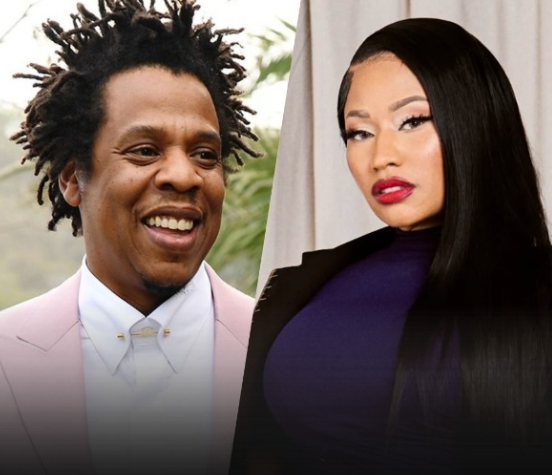
Nicki Minaj has once again found herself at the center of public conversation after making a bold claim involving music mogul Jay-Z. According to her statements, the rapper believes she is owed a substantial amount of money, estimating the figure to be somewhere between $100 million and $200 million. The claim has immediately sparked widespread discussion across social media, with fans, critics, and industry observers weighing in on what it could mean.
Minaj’s comments suggest that her concerns stem from past business dealings and professional relationships within the music industry. While she did not publicly lay out detailed financial records or contracts, her remarks imply that she feels her contributions, influence, and success were not properly compensated or acknowledged. For many artists, disputes like this highlight long-standing frustrations about transparency, ownership, and fairness in an industry known for complex agreements.
The situation has also reignited broader conversations about how artists, particularly women, navigate power dynamics in entertainment. Nicki Minaj has long been vocal about advocating for herself and challenging systems she believes undervalue her work. Supporters argue that her willingness to speak out reflects confidence and self-awareness, while others believe such matters are best handled privately through legal channels rather than public platforms.
Jay-Z, a respected entrepreneur and one of the most influential figures in music, has not publicly responded to Minaj’s claims. His silence has only fueled speculation, with many questioning whether this issue will remain a public debate or move toward behind-the-scenes discussions. In high-profile cases like this, it is not uncommon for legal teams and executives to manage disputes quietly, even when public interest is intense.
For fans, the claim raises questions about how revenue is distributed in the modern music business. Streaming, publishing rights, touring income, and branding partnerships have dramatically changed how artists earn money, sometimes creating confusion or conflict years later. Minaj’s assertion has prompted renewed interest in understanding how artists protect their financial interests and ensure long-term security.
At the same time, some observers caution against drawing conclusions without verified information. Financial disputes can be complex, involving multiple contracts, timelines, and interpretations. Without official documentation or legal filings, the public can only speculate about the accuracy or scope of the claim. This uncertainty has led to divided opinions, with some standing firmly behind Minaj and others urging patience and restraint.
Regardless of the outcome, the moment underscores Nicki Minaj’s continued influence and willingness to challenge powerful figures. Her career has been defined not only by musical success, but also by her outspoken nature and refusal to minimize her worth. Whether this situation results in legal action, private resolution, or no further development at all, it has already made an impact on public dialogue.
Ultimately, this claim serves as a reminder of the importance of clarity, fairness, and accountability in creative industries. As the story continues to unfold, many will be watching closely to see whether more information emerges and how both parties choose to address the matter moving forward.