
 BM News Feed
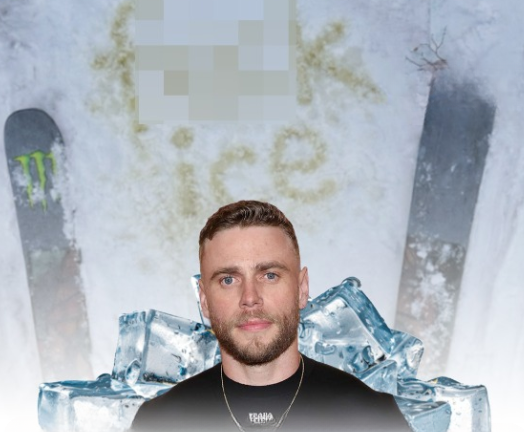
Olympic skier Gus Kenworthy has recently sparked discussion ahead of the 2026 Winter Games following a post on his personal social media account. In the post, Kenworthy shared a message written in snow using an unusual method, which addressed concerns about U.S. immigration enforcement. The skier encouraged his followers to engage with lawmakers and express their views on immigration policies, drawing attention to a topic that has generated national debate.
The post quickly captured public attention, with supporters praising Kenworthy for using his platform to highlight social issues. Many of his fans applauded the skier for speaking out on a topic that is deeply personal and politically significant, noting that athletes often have a unique opportunity to bring awareness to causes that affect people both in their own country and abroad.
At the same time, the post sparked questions regarding the appropriateness of athletes making political statements during the lead-up to major international competitions like the Olympics. Observers debated whether such messages could be seen as controversial when shared by high-profile athletes, particularly those representing their nations on a global stage.
Olympic officials, including Team GB and the broader Olympic Committee, clarified their position on the matter. They stated that Kenworthy would not face any disciplinary action, noting that the post was made on his personal account and was not associated with any official Olympic venue or event. According to officials, athletes are permitted to express personal opinions on their own platforms, as long as it does not violate the rules of competition or the principles of the Olympic Charter.
Kenworthy’s message highlights the increasingly blurred lines between sports and social activism. Many athletes today are recognized not only for their athletic achievements but also for their willingness to engage with pressing societal issues. By sharing his perspective, Kenworthy joins a long list of athletes who have used their visibility to inspire conversation and encourage civic engagement.
The discussion surrounding the skier’s post also reflects broader debates about freedom of expression and the responsibilities of public figures. While some argue that athletes should remain neutral in order to avoid controversy, others insist that public figures have the right—and perhaps even a duty—to raise awareness about causes they care deeply about.
Ultimately, Kenworthy’s post serves as an example of how personal advocacy can intersect with professional athletics. It underscores the potential for social media to amplify voices and bring attention to topics that might otherwise be overlooked. By sharing his perspective, Kenworthy has ignited dialogue among fans, officials, and the broader public, demonstrating the ongoing impact of athlete activism in today’s world.