
 BM News Feed
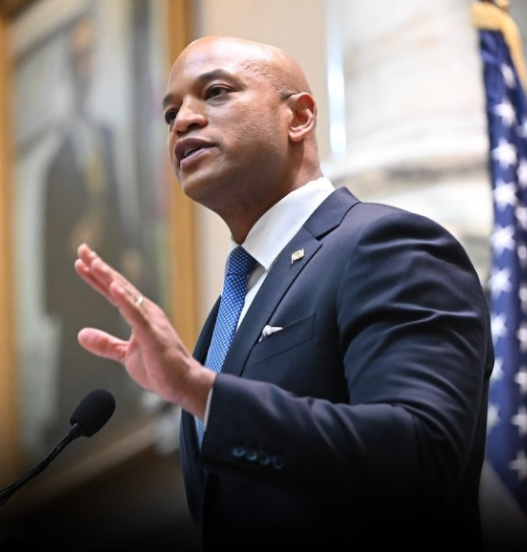
The National Governors Association (NGA) has officially removed a scheduled White House meeting from its agenda, drawing attention to questions about inclusion and bipartisan cooperation at the national level.
According to reports, the decision followed concerns that the administration intended to invite only Republican governors to the gathering. Because the NGA is widely recognized as a bipartisan organization representing governors from both major political parties, the reported plan raised questions about balance and representation.
The NGA has historically served as a collaborative forum where governors can discuss shared challenges that affect their states. Issues such as economic development, infrastructure, public health, education, disaster preparedness, and workforce growth are typically addressed in a cross-party setting. Governors often face similar operational realities regardless of political affiliation, which is why the association has long emphasized unity and cooperation.
Limiting participation in a White House meeting to governors from a single political party would represent a shift from that tradition. Some observers argue that such a format could create the appearance of partisanship rather than broad, cooperative governance. In their view, meetings between federal leadership and state executives are most productive when a range of perspectives is present at the table.
Others note that administrations frequently meet with members of their own party to coordinate legislative priorities or policy strategy. From that standpoint, the meeting itself may not be unusual. Instead, the discussion centers on how the event was positioned within the framework of a bipartisan organization’s official agenda.
By removing the meeting, the NGA appears to be reinforcing its commitment to maintaining neutrality and inclusivity. The association’s credibility rests on its ability to convene leaders across party lines without favoring one side over another. Ensuring that its programming reflects that principle may have been a key factor in the decision.
This development highlights the broader tension between governance and politics in the current climate. While state leaders often work together pragmatically, national political dynamics can influence how even routine meetings are perceived. In an era of heightened polarization, actions that might once have drawn little notice can quickly become focal points for debate.
At this time, there is no indication that communication between governors and the White House will cease. Governors regularly engage with federal officials through various channels to address state needs and coordinate policy efforts. The adjustment appears specific to the structure and framing of this particular meeting rather than a breakdown in overall dialogue.
Ultimately, the situation underscores the importance many leaders place on bipartisan collaboration. Organizations like the NGA play a significant role in fostering cross-party cooperation, especially on practical matters that directly affect communities nationwide. How federal and state officials navigate inclusion and representation moving forward will likely remain an area of continued public interest.