
 BM News Feed
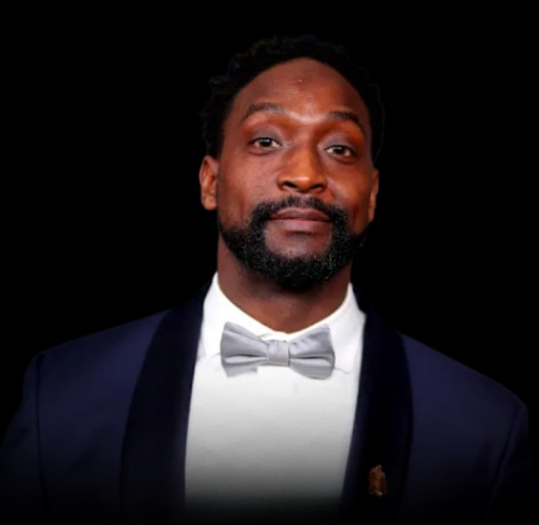
Former NFL star Charles Tillman has shared that he made the decision to step away from his role with the FBI after declining to participate in an immigration-related operation that he felt he could not personally support.
Tillman, who built a respected career in professional football before transitioning into federal law enforcement, explained that his choice was rooted in personal conviction. According to his statement, the assignment conflicted with his own sense of responsibility and values, leading him to determine that continuing in the role was not the right path for him.
“I want to be on the right side of history when it’s all said and done,” Tillman said, reflecting on the reasoning behind his decision. The remark has since sparked conversation online, with supporters and critics weighing in on what it means to navigate personal beliefs within structured institutions.
After retiring from the NFL, Tillman joined the FBI in 2018, becoming part of a relatively small group of former professional athletes who have entered federal service. His move into law enforcement was widely noted at the time, as it marked a significant shift from sports into public service. Over the years, he maintained a lower public profile while focusing on his responsibilities.
His reported departure highlights the complex balance that can arise between institutional duties and individual principles. Immigration enforcement, in particular, remains one of the most debated public policy areas in the United States. Operations can involve sensitive humanitarian, legal, and security considerations, often placing personnel in challenging positions.
Supporters of Tillman’s decision view it as an example of acting in alignment with one’s conscience, even when that choice carries professional consequences. They argue that public servants, like anyone else, must sometimes evaluate whether their responsibilities reflect their deeply held values.
Others note that federal agencies operate within established laws and directives, and employees are typically expected to carry out assignments as part of their official duties. From that perspective, disagreements about policy are often addressed through internal channels rather than resignation.
Tillman’s statement did not go into operational details, and there has been no public indication of misconduct related to the assignment. Instead, the focus has remained on his personal decision to step away rather than participate in work he felt unable to endorse.
The moment adds another chapter to Tillman’s public life, which has included leadership roles both on and off the field. Throughout his football career, he was recognized not only for his performance but also for his charitable efforts and community involvement.
Ultimately, his decision underscores a broader conversation about ethics, service, and accountability. Whether in sports, government, or any profession, individuals sometimes face moments where personal conviction intersects with institutional responsibility. For Tillman, stepping away was the course he believed aligned with his commitment to integrity and the legacy he hopes to leave behind.