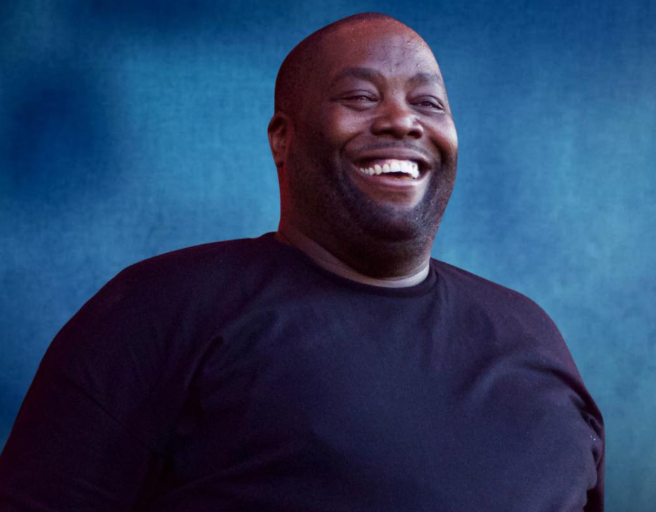
K. Mike says wealthy, powerful families should be sent to military combat instead of relying on lower-income youth.
Rapper K. Mike has sparked conversation with a bold statement suggesting that wealthy and influential families should take on greater responsibility during times of military conflict, rather than relying heavily on young people from lower-income backgrounds. His comments have drawn attention across social and media platforms, with many people debating the fairness and practicality of such an idea.
In his statement, K. Mike highlighted what he sees as a long-standing imbalance in how military service is distributed among different social classes. He argued that individuals from less privileged backgrounds are often the ones who end up on the front lines, sometimes due to limited economic opportunities or lack of alternatives. By contrast, those from wealthier or more powerful families may have greater access to resources that allow them to avoid direct involvement in combat situations.
The rapper’s perspective has resonated with some audiences who believe that responsibility during national or global conflicts should be shared more equally. Supporters of this view argue that if all segments of society faced similar risks, it might influence how decisions about conflict are made. They suggest that equal participation could lead to more thoughtful and cautious approaches when it comes to engaging in military action.
At the same time, others have responded with criticism, noting that military service is shaped by many factors, including voluntary enlistment, professional training, and national defense policies. Critics argue that the issue is more complex than simply assigning responsibility based on economic status, and that structural systems, rather than individual families, play a major role in determining who serves.
Overall, K. Mike’s remarks have opened up a broader discussion about fairness, responsibility, and the social dynamics of military service. While opinions remain divided, the conversation highlights ongoing concerns about equality and the ways in which different communities experience the impact of conflict.