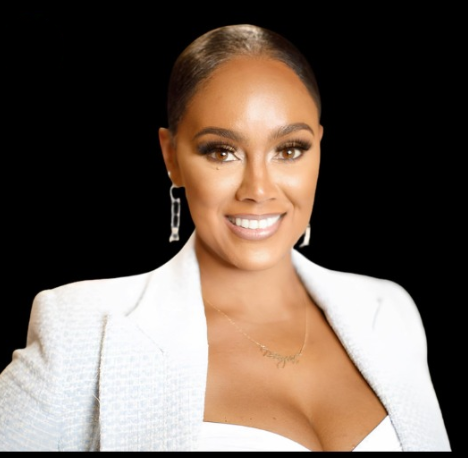
Internet Explodes With Questions After Dr. Cheyenne Bryant’s Credentials Spark Major Controversy 😳
Public figure Dr. Cheyenne Bryant has recently become the center of intense online debate after clarifying that she does not practice as a licensed therapist because she works primarily as a life coach and speaker.
While some people accepted the explanation, others began raising additional questions about her educational background and professional credentials. Social media users started discussing her academic history, including claims that they were unable to locate her dissertation or certain academic records online.
As the conversation continued, Dr. Bryant reportedly explained that obtaining some documents has been difficult because Argosy University — the school she attended — permanently shut down several years ago. That statement added another layer to the growing public discussion.
According to reports, Argosy University officially closed in 2019 after serious financial and administrative issues involving federal student aid funding. Because of the closure, some former students from the institution have publicly shared concerns over difficulties accessing records, transcripts, and other educational materials connected to the university.
Even with that context, the debate online has continued. Some people believe the university’s closure could reasonably explain why certain records may not be easily accessible today. Others, however, feel that individuals who build large public platforms around personal development, advice, or professional expertise should still be able to provide some form of verification regarding their academic accomplishments.
Many online users have argued that proof could come in different forms, such as copies of degrees, graduation photos, transcripts, archived publications, or other personal documentation connected to academic achievements. Supporters of Dr. Bryant, on the other hand, believe the public may be placing unrealistic expectations on someone whose role is centered more around coaching and motivation rather than clinical therapy.
Media personality Funky Dineva also shared his opinion on the situation, reportedly saying he personally finds it difficult to understand how someone could complete advanced doctoral-level studies without having visible reminders or documentation of that accomplishment available.
The situation has now evolved into a much larger conversation about online influence, credibility, transparency, and the growing number of public personalities offering advice and guidance through social media platforms. It has also sparked debate about how much proof audiences should expect from influencers, coaches, and motivational figures who build careers around expertise and personal development.
At the same time, others believe social media investigations can sometimes go too far, especially when assumptions are made before all facts are fully verified. As with many viral controversies, public opinion remains divided.
What do you think? Should public figures be expected to openly verify their qualifications, or should their work and impact speak for itself?