 BM News Feed
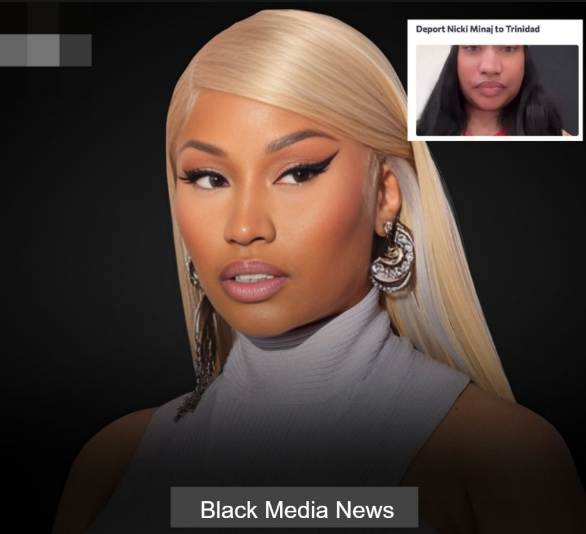
A petition calling for action against Nicki Minaj has recently begun circulating online and has quickly gained attention. Within just a few hours of being posted, the petition reportedly gathered more than 5,500 signatures, sparking intense discussion across social media platforms. The rapid response highlights how quickly public opinion can mobilize in the digital age, especially when it involves a high-profile public figure.
According to the petition’s description, concerns are raised about Nicki Minaj’s behavior and public conduct. The language used in the petition frames her as someone whose actions have allegedly caused harm or distress to others. It goes on to suggest that her influence and reach could have broader implications beyond individual disputes. These claims have fueled debate, with supporters of the petition expressing concern, while critics question both the intent and the validity of the effort.
The situation has led to strong reactions on both sides. Some people believe that public figures should be held accountable for their words and actions, particularly when they have large platforms and devoted followings. From this perspective, the petition represents a form of civic engagement, allowing people to express dissatisfaction and call for what they see as consequences. Supporters argue that influence comes with responsibility, and when that responsibility is questioned, public dialogue is inevitable.
On the other hand, many fans and observers see the petition as extreme and unfair. They argue that disagreement with an artist’s opinions or behavior should not escalate into calls for drastic actions. Critics of the petition emphasize the importance of proportional responses and caution against using online campaigns as tools for punishment rather than conversation. They also point out that petitions like this often oversimplify complex situations.
Nicki Minaj, a globally recognized artist with a long career in music, has always been a polarizing figure. Her outspoken nature, strong fan base, and frequent involvement in public controversies have consistently placed her at the center of cultural debates. For some, this boldness is part of her appeal; for others, it is a source of ongoing criticism. This petition appears to be another chapter in that long-running public discourse.
The broader conversation sparked by the petition goes beyond one individual. It raises questions about cancel culture, accountability, and the power of online movements. Social media has given people unprecedented ability to organize and express opinions, but it has also blurred the lines between constructive criticism and collective outrage. Situations like this often prompt reflection on how digital activism should be used responsibly.
There is also an important discussion to be had about language and tone. Petitions and public statements that rely on strong or alarming wording can intensify reactions and deepen divisions. Some observers believe that focusing on dialogue, clarity, and fairness leads to more productive outcomes than framing issues in ways that escalate fear or hostility.
As the petition continues to circulate, it remains to be seen how much impact it will have beyond online conversation. Similar campaigns in the past have often generated attention without leading to concrete outcomes. What they do succeed in doing, however, is revealing how divided public opinion can be when it comes to celebrities, influence, and accountability.
Ultimately, this situation reflects the complexity of modern celebrity culture. Public figures live under constant scrutiny, while audiences grapple with how to respond when disappointment or disagreement arises. Whether one supports or opposes the petition, it serves as a reminder of how powerful, and sometimes volatile, collective voices can be in the age of social media.