
 BM News Feed
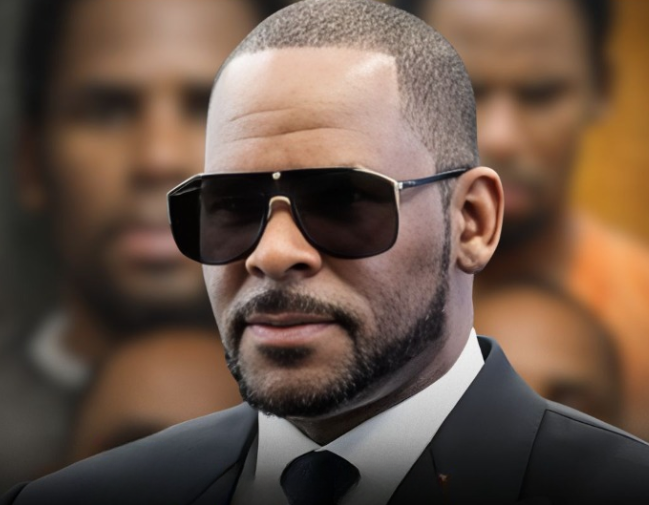
The year 2045 has become a powerful and polarizing point in conversations surrounding R. Kelly. That is when the singer is currently scheduled to be released from prison, nearly three decades from now. By that time, he will be 79 years old, having spent the majority of his later life behind bars. The length of the sentence alone has sparked intense debate across social media, the music industry, and the public at large.
There is broad agreement on one point: R. Kelly committed serious and harmful wrongdoing. The court’s decision reflects the gravity of the offenses and the long history of allegations that were ignored or dismissed for years. For many people, the sentence represents long-overdue accountability for actions that caused deep and lasting harm. From this perspective, the punishment is seen as appropriate, necessary, and symbolic of a justice system finally taking misconduct seriously, regardless of fame or influence.
Others, however, view the sentence through a different lens. While acknowledging the severity of the crimes, some argue that a nearly 30-year sentence is excessive, particularly when compared to how other powerful figures accused of similar behavior were never charged, convicted, or punished at all. This group questions whether justice is being applied consistently, or whether R. Kelly has become a singular example in a system that often protects wealth, power, and status.
The debate is not about excusing wrongdoing, but about proportionality and fairness. Critics of the sentence argue that true justice should be equal across the board. They point out that many influential individuals in entertainment, politics, and business have faced accusations just as serious, yet avoided long-term consequences. This contrast fuels concerns that accountability is uneven and selective, rather than systematic.
There is also a broader conversation about rehabilitation versus punishment. Some believe that incarceration should include a meaningful opportunity for reform and eventual reintegration into society. From that viewpoint, keeping someone imprisoned until old age raises questions about whether the goal is rehabilitation, retribution, or deterrence. Others counter that the sentence serves as a necessary safeguard, prioritizing public safety and acknowledging the long-term impact on victims.
The emotional weight of the case cannot be separated from the discussion. Survivors’ voices, once ignored, played a critical role in bringing the truth to light. For many, the length of the sentence reflects the years of harm, silence, and lack of accountability that preceded it. In that sense, time itself becomes part of the justice — not just measured in years served, but in acknowledgment of suffering.
At the same time, the case forces society to confront uncomfortable questions about how fame influences justice, and why accountability so often arrives late — if at all. It challenges the public to think critically about consistency, fairness, and the values that shape sentencing decisions.
So the real question remains open and deeply personal: Does remaining incarcerated until 2045 represent justice served, or has the punishment crossed into excess? Reasonable people can disagree, and many do. What’s clear is that this case has permanently changed conversations around power, accountability, and the cost of silence — and those conversations will continue long after the sentence ends.