 BM News Feed
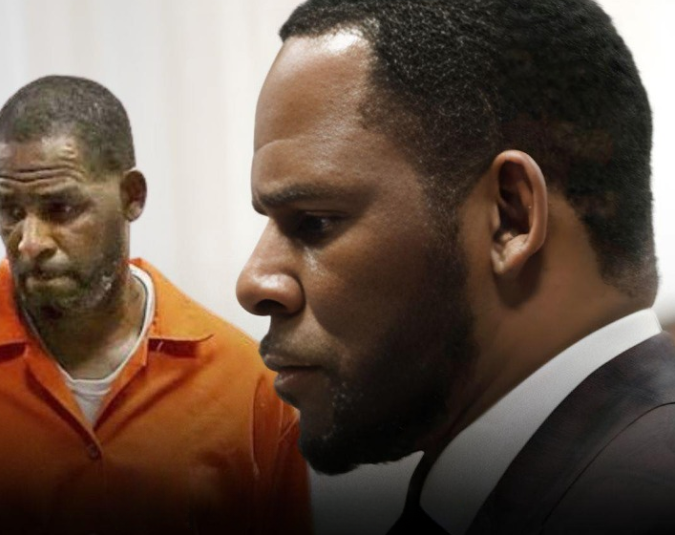
In recent years, a noticeable shift has taken place across the music industry as many artists have chosen to distance themselves from songs connected to R. Kelly. This change has sparked intense debate among fans, critics, and fellow musicians, raising complex questions about accountability, legacy, and the relationship between art and the person who created it.
A growing number of artists have either stopped performing songs written by R. Kelly or have taken more permanent steps by removing those tracks from streaming platforms altogether. For some, the decision is rooted in personal values and a desire to avoid being associated with someone whose actions have caused widespread harm. For others, it reflects an effort to stand in solidarity with survivors and acknowledge the seriousness of the situation.
Several well-known examples highlight this shift. Syleena Johnson has publicly refused to perform “I Am Your Woman,” choosing to separate herself from the song despite its popularity. Céline Dion reportedly removed “I’m Your Angel” from streaming platforms, while Lady Gaga took similar action with “Do What You Want.” These decisions were not made lightly, as each song once held significant commercial and cultural value.
Other artists have taken a performance-based stance. B2K has chosen not to perform “Bump, Bump, Bump,” and Joe has declined to sing “More & More” on stage. Chance the Rapper went a step further by removing “Somewhere in Paradise” from streaming services entirely. Each of these choices reflects a personal or professional boundary drawn in response to the larger conversation surrounding accountability in the entertainment industry.
These actions have reignited a long-standing debate: can the art be separated from the artist? Some listeners believe that music exists independently once it is released into the world, shaped by the emotions and memories of the audience rather than the creator. From this perspective, removing songs feels like erasing pieces of cultural history and disregarding the contributions of other artists, producers, and musicians who worked on those records.
On the other hand, many argue that continuing to promote or profit from these songs sends the wrong message. They believe that accountability means making difficult choices, even when it involves sacrificing successful or beloved work. For these individuals, removing songs is not about punishment, but about taking responsibility and aligning actions with values.
There is also the question of impact. Some fans feel conflicted, loving the music while struggling with the knowledge attached to its creation. Others appreciate artists taking a clear stance, seeing it as a necessary step toward change in an industry that has historically protected powerful figures.
Ultimately, there is no single answer that satisfies everyone. Each artist must decide what feels right for them, and each listener must confront their own boundaries. Whether these decisions represent accountability or unintended consequences depends largely on perspective.
What is clear, however, is that the conversation itself matters. It reflects a broader cultural shift toward examining power, responsibility, and the lasting effects of silence. Whether these songs remain available or fade away, the dialogue they’ve sparked continues to shape how the music industry — and its audience — defines ethics, memory, and progress.