 BM News Feed
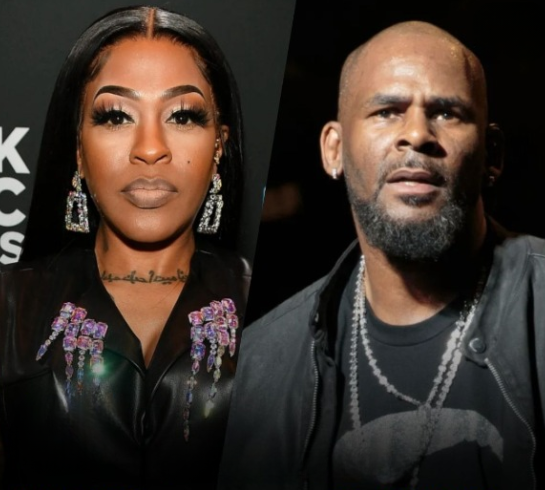
Lil’ Mo has recently shared her perspective on the ongoing conversations surrounding R. Kelly’s legacy, stating that she remains grateful for the role he played in helping her achieve several of her early career goals. Her comments have sparked discussion, as they touch on the complicated reality of honoring professional experiences while acknowledging the serious controversies that have reshaped how his career is viewed today.
In speaking about her journey, Lil’ Mo emphasized that her stance is rooted in personal history rather than an attempt to influence public opinion. She explained that during a critical period in her career, R. Kelly provided opportunities and support that helped open doors for her as an artist. Those experiences, she says, were instrumental in turning aspirations into tangible success and shaping the path she ultimately walked in the music industry.
Lil’ Mo made it clear that her feelings are based on gratitude for professional mentorship and collaboration. From her point of view, the music and guidance she received during that time played a meaningful role in her growth as a performer and songwriter. She believes those moments are part of her own story and should not be erased or rewritten, regardless of how broader conversations evolve.
At the same time, her comments have reignited debate about how to balance personal loyalty with public accountability. Many listeners acknowledge that it is possible for someone to recognize the positive impact an individual had on their life while still understanding that others may have experienced harm. This duality has become a recurring theme in discussions about influential figures whose careers are now viewed through a more critical lens.
Supporters of Lil’ Mo’s perspective argue that individual experiences can differ greatly and that people are entitled to speak honestly about their own journeys. They emphasize that gratitude for professional help does not automatically mean dismissal of others’ experiences. From this angle, her comments are seen as a reflection of personal truth rather than a blanket statement about history or accountability.
Critics, however, feel that conversations about legacy must be handled with sensitivity and awareness of the broader impact. They argue that public statements can unintentionally minimize serious issues if not carefully framed. For them, separating appreciation for past opportunities from acknowledgment of harm is a delicate balance that requires thoughtful language and context.
Lil’ Mo also addressed the idea of legacy, expressing concern about how the music industry and public discourse can reshape narratives over time. She suggested that artistic contributions and historical influence are often reevaluated, sometimes in ways that feel dismissive to those who were directly affected by the work in positive ways. Her comments reflect a desire to protect her own memories and professional milestones from being overshadowed.
This moment highlights a larger cultural question about how society remembers influential artists. As accountability becomes a stronger focus, people continue to wrestle with whether, and how, creative impact can be discussed alongside serious controversy. There is no single answer, and perspectives often vary based on personal experience, values, and proximity to the events involved.
Ultimately, Lil’ Mo’s comments add another voice to an ongoing and complex conversation. Her perspective underscores the reality that personal gratitude and public accountability can exist in tension with one another. While opinions will continue to differ, her statements reflect an attempt to speak honestly about her own path, her career, and the people who helped shape it, without claiming to define how others should feel or respond.