
 BM News Feed
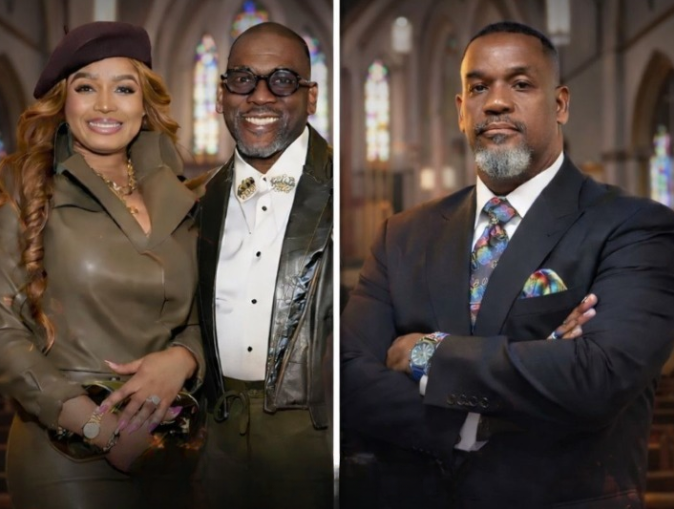
This situation has sparked strong reactions online, with many people expressing concern over how far the commentary has gone.
Pastor Djuan B. Rich has continued to publicly criticize Pastor Jamal Bryant and his wife following the controversy surrounding a dress that went viral several weeks ago. What began as online chatter about fashion and appearance has now escalated into repeated personal attacks that many viewers consider unnecessary and inappropriate.
In his recent remarks, Pastor Djuan went beyond addressing the original topic and instead made disparaging claims about Pastor Jamal Bryant’s character and marriage. His statements have drawn backlash from both faith communities and social media users who feel the criticism crossed the line from opinion into disrespect. Many believe that disagreements, especially among religious leaders, should be handled with more care and dignity.
Critics argue that pastors, in particular, are expected to model restraint, compassion, and wisdom when addressing conflict. Rather than focusing on personal insults, they believe leaders should promote dialogue, understanding, and accountability in a way that reflects the values they preach. The ongoing nature of the comments has led some to question why the issue continues to be revisited publicly.
Supporters of Pastor Jamal Bryant have come to his defense, pointing out that neither he nor his wife has continued to engage in the public back-and-forth. They argue that dragging the situation out only fuels division and distracts from more meaningful conversations within the church and broader community. For many, the focus should be on ministry, service, and uplifting others rather than tearing people down.
Others have also raised concerns about the impact such public disputes have on congregations. When faith leaders engage in personal attacks, it can create confusion, disappointment, and disillusionment among followers who look to them for guidance. Several commenters noted that these moments can weaken trust in leadership and shift attention away from faith-based missions.
The original controversy surrounding the viral dress already generated mixed opinions, with some viewing it as inappropriate and others seeing it as a matter of personal expression. However, many feel that continuing to criticize the individuals involved weeks later no longer serves a constructive purpose. Instead, it has become a spectacle that overshadows any original point that may have been intended.
There is also a broader conversation happening about accountability versus harassment. While public figures are often subject to critique, repeated personal attacks—especially involving family members—can quickly move into harmful territory. Viewers are questioning whether this ongoing commentary reflects personal grievances rather than principled concerns.
As reactions continue to pour in, a growing number of voices are calling for the situation to be put to rest. They urge all parties involved to disengage from public conflict and refocus on leadership, healing, and positive influence. Many believe silence and restraint at this point would speak louder than continued commentary.
Ultimately, this situation serves as a reminder of how quickly public discourse can turn negative, especially on social media. While disagreement is inevitable, the way it is handled matters. For leaders in particular, there is an expectation to rise above personal attacks and demonstrate the values of respect, humility, and grace—even in moments of controversy.