 BM News Feed
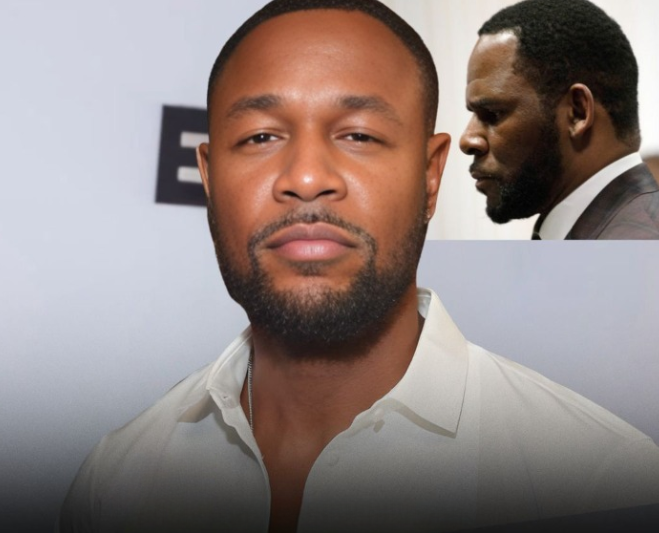
R&B singer Tank recently shared his honest and deeply personal perspective on the ongoing debate surrounding R. Kelly’s music and legacy, and his comments have sparked meaningful conversation across social media.
Tank acknowledged that, from a purely musical standpoint, R. Kelly’s talent and influence on R&B are undeniable. He described Kelly as a musical genius whose work shaped an era and influenced countless artists. However, Tank made it clear that recognizing musical ability does not mean ignoring the harm associated with the artist’s actions.
For Tank, the issue becomes deeply personal because he is the father of three Black daughters. He explained that, because of that responsibility, he cannot mentally or emotionally separate the music from the individual behind it. In his view, enjoying the songs without acknowledging the pain connected to their creator feels impossible. Rather than using harsh language, Tank emphasized that the actions and consequences tied to the artist outweigh the enjoyment he once found in the music.
He shared that becoming a parent fundamentally changed how he views accountability. What once may have felt like an abstract moral debate now feels real and urgent. Tank expressed that listening to the music today forces him to think about the victims, the damage caused, and the larger message society sends when harmful behavior is overlooked in favor of talent.
Tank’s comments have resonated with many people who feel the same conflict. Supporters of his stance argue that art does not exist in a vacuum and that continuing to celebrate music without acknowledging harm can feel dismissive to those who were hurt. For them, accountability means making difficult choices, even if it means letting go of songs that once held meaning.
At the same time, others see the situation differently. Some listeners believe music should be judged on its own merit, separate from the individual who created it. They argue that songs can take on lives of their own, becoming tied to memories, moments, and emotions that belong to the audience rather than the artist. For these individuals, erasing the music feels like erasing parts of their own personal history.
This divide highlights a much larger cultural conversation about responsibility, forgiveness, and consumption. Should society stop engaging with art once its creator is exposed for serious wrongdoing? Or is it possible to acknowledge harm while still appreciating creative contributions? There is no single answer, and Tank did not claim that his perspective should apply to everyone.
What Tank did emphasize is choice. He made it clear that his decision is rooted in his values, his role as a father, and his desire to stand firmly on the side of protecting children and holding people accountable. He did not shame those who feel differently but explained why, for him, the separation simply does not work.
Ultimately, Tank’s comments invite reflection rather than judgment. They challenge listeners to examine their own values and boundaries. Everyone must decide for themselves how to reconcile art, accountability, and personal ethics in a world where talent and harm sometimes exist in the same space.
So the question remains open. Can the music still be enjoyed with full awareness of the truth, or does true accountability require stepping away entirely? Each listener must answer that for themselves, guided by conscience, empathy, and responsibility.