
 BM News Feed
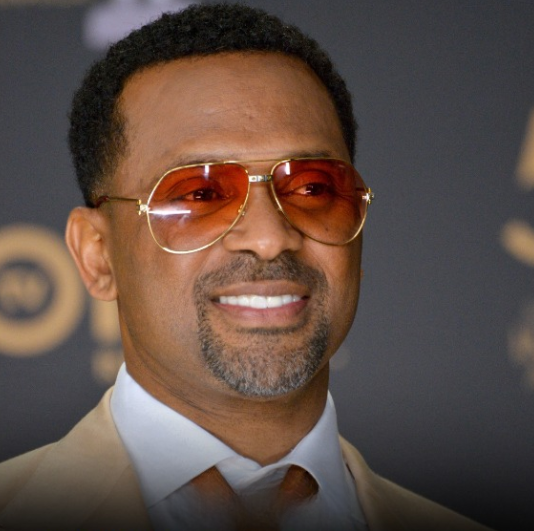
Comedian Mike Epps is reportedly revisiting some of his recent stand-up material after a video circulated online showing him making explicit jokes involving Nicki Minaj and her perceived political alignment with former President Donald Trump.
In the clip that quickly gained traction on social media, Epps made remarks that many viewers described as graphic and provocative. During the performance, he also responded sharply to a fan in the audience—identified as a supporter of Nicki Minaj—who voiced disapproval of the jokes. The exchange added another layer to the moment, as it captured a live interaction between performer and audience member.
Stand-up comedy has long relied on shock value, exaggeration, and commentary on public figures. Comedians often test boundaries as part of their craft, using satire to address cultural and political topics. However, in today’s digital environment, material that might once have stayed within the walls of a comedy club can quickly reach millions online, where context and tone may be interpreted differently.
Following the clip’s circulation, reactions were divided. Some defended Epps, arguing that comedy frequently tackles controversial subjects and that audiences attend shows expecting unfiltered humor. Others felt the remarks crossed a line, particularly given the graphic nature of the jokes and the way the interaction with the audience member unfolded.
Nicki Minaj, a globally recognized artist with a passionate fan base, has occasionally expressed views that spark public debate. As a result, commentary about her personal or political positions can generate strong reactions from supporters and critics alike. When those topics are brought into live performances, the response can be immediate and emotionally charged.
Epps’ decision to reconsider or adjust his material suggests an awareness of the broader conversation. Public figures in entertainment often face the challenge of balancing creative freedom with audience sensitivity. While stand-up thrives on boldness, performers also navigate how their words resonate beyond the stage.
The moment highlights the evolving relationship between comedy and social media. Viral clips can amplify a single joke far beyond its original setting, sometimes stripping away the larger context of an entire set. This can intensify reactions and shift the focus from entertainment to controversy.
Ultimately, the situation underscores the complexities of modern comedy. Artists continue to push boundaries, while audiences increasingly engage in real-time feedback. Whether viewed as edgy humor or unnecessary commentary, the exchange has sparked conversation about where the line is drawn in stand-up—and how quickly that line can move in the public eye.